Best Time to Buy an RV (When Prices Actually Drop)
When is the best time to buy an RV? We break down the months when prices actually drop, model-year changeovers, RV show deals, and dealer quota timing.

Timing isn't everything when buying an RV, but it isn't nothing either. Buy in peak spring demand and you'll compete with every other shopper dreaming of summer road trips. Buy when demand cools and sellers get motivated, and the same rig can cost meaningfully less. Understanding the best time to buy an RV is really about understanding when sellers have the least leverage.
This guide walks through the seasonal cycle, model-year changeovers, RV shows, dealer quota timing, and private-seller psychology, so you can shop when the market favors you. Whenever you're ready to pull the trigger, you'll find the inventory waiting on RV Matcher's marketplace.
The Short Answer on the Best Time to Buy an RV
If you want one sentence: late fall through winter is generally the best time to buy an RV. Demand drops after summer, dealers need to clear current model-year inventory, and private sellers face another season of storage, insurance, and loan payments on a rig they aren't using. Motivated sellers negotiate.
That said, the "best" time also depends on what you're buying. A used travel trailer from a private seller follows a different rhythm than a new diesel pusher on a dealer lot. The sections below break it down so you can time your specific purchase.
Best Time to Buy an RV by Season
Fall (September–November): the buyer's window opens
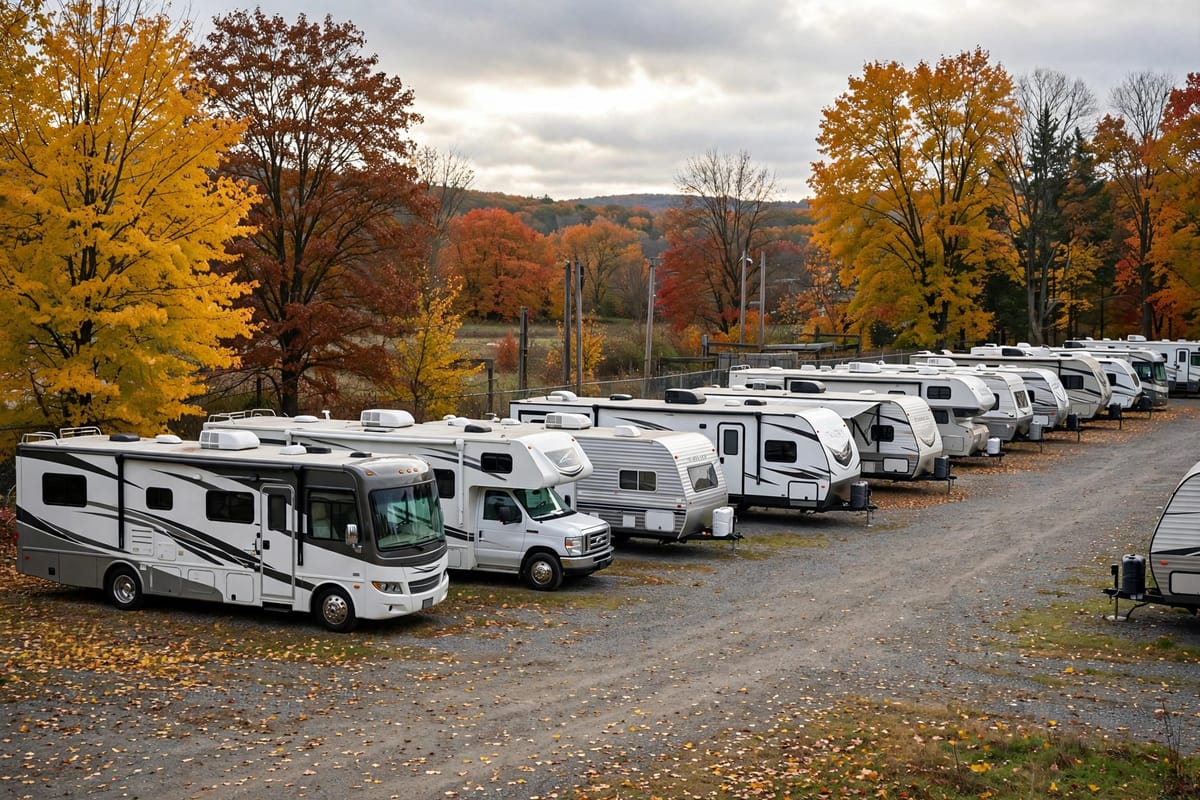
This is prime time. Summer travelers are home, listings from the spring rush that never sold are going stale, and sellers start doing the math on winter storage costs. Dealers are making room for incoming model-year inventory and are more willing to deal. Private sellers listing in fall are often genuinely motivated; nobody lists in October for fun.
Winter (December–February): lowest competition
Fewer buyers are shopping, which means less competition for the good listings and more negotiating power for you. The trade-off is thinner inventory, especially in cold climates where sellers don't want to show a winterized rig. Warm-weather states (Florida, Texas, Arizona) stay active all winter and are worth searching nationally.
Spring (March–May): peak demand, peak prices
Everyone wants an RV for summer. Dealers know it, private sellers know it, and prices reflect it. You'll find the most inventory in spring, but you'll also pay the most and compete the hardest. If you must buy in spring, shop early in the season and move fast on fairly priced listings.
Summer (June–August): slim pickings
Inventory is picked over and sellers have little reason to negotiate while buyers are lining up. The exception: late August, when dealers start feeling the pressure of incoming new model-year units and begin discounting current-year stock.
Model-Year Changeover: Late Summer Deals on New RVs
RV manufacturers typically roll out new model years in late summer and early fall. When the new model year arrives, dealers need the outgoing year gone, and that urgency is your leverage.
This applies mainly to new RVs at dealerships, but it ripples into the used market too: trade-ins spike during changeover season, which increases used inventory at dealers and gives you more to choose from. If you're set on buying new, shopping from roughly August through October usually beats shopping in April.
One caution: don't let a "model-year closeout" push you into the wrong floor plan. A great deal on a layout you don't love is still the wrong RV.
RV Shows: Real Deals or Just Hype?
The big winter RV shows (January through March in most regions) are marketed as can't-miss buying events, and there is some truth to it. Dealers bring show pricing, manufacturers offer show-only incentives, and you can tour dozens of floor plans in one place.
But go in clear-eyed. Show crowds create urgency by design, and "today only" pricing is often available the following week if you ask. Use shows primarily for research: walk through everything, narrow your short list, note the show prices, then negotiate from home without the crowd pressure. The best show deal is the one you verify against recently sold prices before committing.
Smaller fall shows can actually be better buying environments: less hype, motivated dealers, and clearance pricing on the outgoing model year.
End of the Month: Dealer Quota Timing
Dealerships run on monthly and quarterly sales targets, and salespeople and managers get paid on hitting them. Shopping in the last few days of the month, and especially the last days of a quarter (March, June, September, December), can unlock flexibility that wasn't there on the 5th.
This works best when the dealer is one or two units short of a bonus tier; you can't know that from the outside, but the calendar odds favor you at month's end regardless. Be ready to buy, be polite, make a firm reasonable offer, and be willing to walk. The quota clock is a real thing, but it only helps buyers who are prepared to close.
This tactic applies to dealer purchases. Private sellers don't have quotas, but they do have their own calendar pressures, which brings us to...
Private Sellers: Timing Life Events and Storage Bills
Private-party deals follow human rhythms more than sales calendars. Watch for these motivated-seller moments:
Storage renewal season. Many sellers pay monthly or annual storage. A listing that appears right before storage fees renew often belongs to someone doing the math and deciding to sell instead.
Life changes. Upgrades, downsizing, health changes, relocations, and divorces all put good RVs on the market at negotiable prices. These sellers prioritize a clean, fast sale over squeezing the last dollar.
Post-summer reality check. The family that bought in spring, used the RV twice, and is now staring at payments and winterization often lists in fall. These are some of the best buys in the used market: nearly new rigs at used prices.
Loan and insurance pressure. Every month of ownership costs money even when the RV sits. Sellers carrying payments on an unused rig get more flexible with time, which is why patient buyers who watch listings for a few weeks often get the call back accepting their offer.
Set up a routine of checking new marketplace listings regularly. The best-timed deal is the one you're actually there to see.
Regional Differences in the Best Time to Buy an RV
Where you shop shifts the calendar. In northern states, the market effectively hibernates: inventory thins from November through March, but the sellers who do list are often highly motivated. If you're willing to inspect a winterized rig carefully (or pay an inspector to do it), winter in the Snowbelt can produce the year's lowest prices.
In the Sunbelt, Florida, Texas, and Arizona stay active all winter thanks to snowbird demand. Prices there don't dip as hard, but selection stays strong year-round, and private sellers relocating or upgrading list in every season. Don't assume your local market's rhythm applies nationally. When a region's season works against you, expanding your search radius on RV Matcher's marketplace to a warmer state can uncover better selection, and one-way flights are cheap compared to overpaying.
How to Use Timing Without Overthinking It
Timing helps, but it should never stop you from buying the right RV when you find it. A fairly priced, well-maintained rig in May beats a compromised purchase in November. Keep these principles in order:
- Right RV first. Floor plan, condition, and maintenance history dwarf timing in long-term satisfaction.
- Right price always. Whatever the season, verify against sold data, not asking prices. Run every candidate through RV Matcher's price-check tool before offering.
- Timing as a tiebreaker. When you've narrowed it to two similar rigs, buy the one listed in the softer season, or make your offer at month's end.
- Don't wait for perfect. Markets shift, interest rates move, and the exact rig you want may not be there in three months. If the numbers work today, today is a fine time to buy.
What month are RV prices the lowest?
Is it cheaper to buy an RV at an RV show?
Should I buy a new RV at model-year changeover?
Do RV dealers negotiate more at the end of the month?
Is buying a used RV in winter a bad idea?
Start Shopping When the Timing Is Right
You now know the seasonal patterns, the changeover calendar, and the psychology that makes sellers flexible. The last step is the easy one: watching the market so you're ready when your rig appears.
Browse RVs for sale on RV Matcher — check new listings regularly, compare against recently sold prices, and when the right RV shows up at the right price, move with confidence.