How to Sell My Fifth Wheel: The 2026 Seller's Guide
Ready to sell my fifth wheel? This 2026 seller's guide covers pricing, full-timer buyers, hitches, inspection prep, timing, and the best places to list.

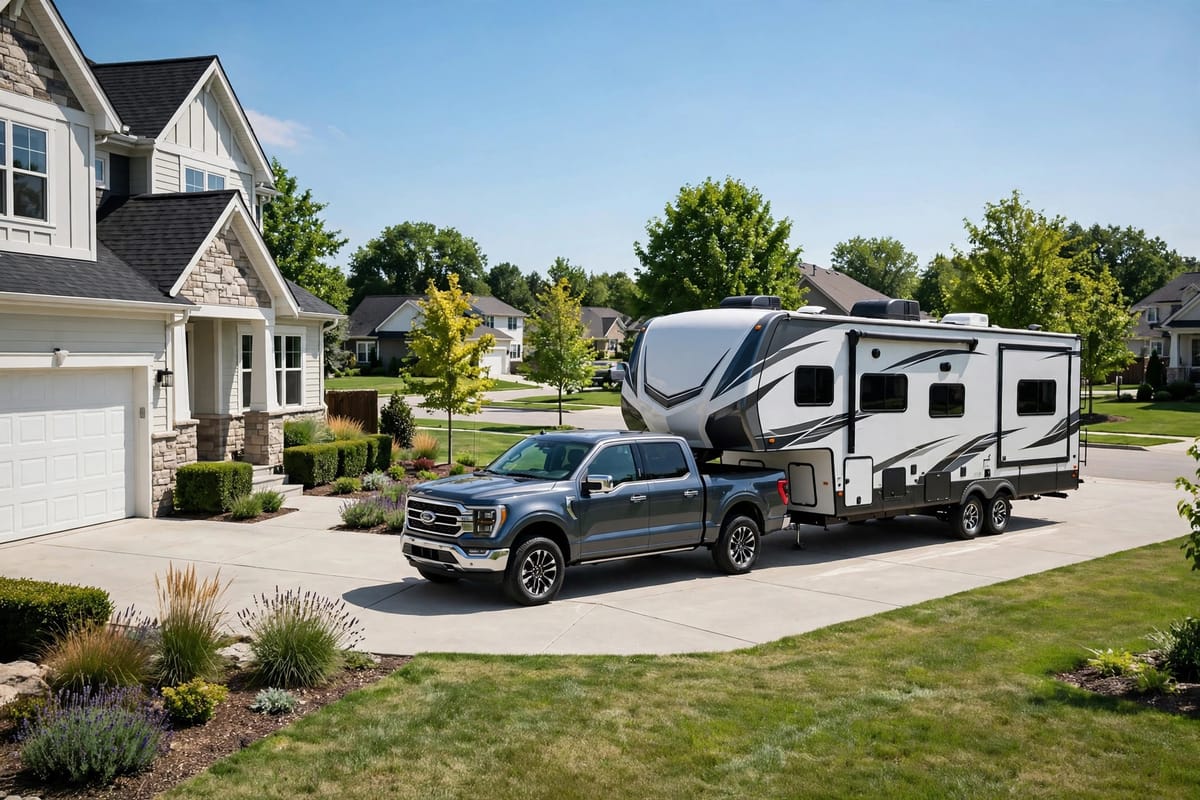
If you've typed "sell my fifth wheel" into a search bar, you've probably noticed something frustrating: nearly every result is a dealer offering to buy your rig wholesale. There's almost no real guidance written for private sellers — this guide fills that gap.
Selling a fifth wheel is not like selling any other RV. Ticket prices are higher, the buyer pool is narrower and more knowledgeable, and details that barely matter on a travel trailer — pin weight, hitch compatibility, landing gear — can make or break your sale. Here's what you need to know in 2026: who your buyers are, what to do about the hitch, how to price high-ticket units, how to prep for buyer inspections, where to list, and when to time it all.
How to Sell My Fifth Wheel to the Right Buyer: Full-Timers
A large, motivated share of fifth-wheel demand comes from full-time RVers — people moving into their rigs full-time. They are buying a home, not a toy, so they scrutinize residential-style features and long-term livability above all else. Speak directly to them in your listing by calling out the features full-timers filter for:
- Residential-style kitchens and bathrooms — full-height showers, real countertops, and residential refrigerators matter more than flashy exterior graphics.
- Washer/dryer prep or installed units — a deal-maker for anyone living in the rig year-round.
- Four-season insulation packages — heated underbellies, dual-pane windows, and upgraded furnaces widen your buyer pool into colder climates.
- Auto-leveling systems — six-point hydraulic leveling is a headline feature for buyers who set up and tear down constantly.
- Solar and inverter setups — installed panels, lithium batteries, and a real inverter signal the rig is boondock-ready.
- Dedicated office space — remote workers are a growing segment, and a desk or convertible workspace is a genuine differentiator.
Photograph and describe these features explicitly — a buyer comparing similar floor plans will pick the seller who clearly understands full-time life.
Should the Hitch Go With It?
Fifth-wheel hitch compatibility is not universal, and it's one of the first things a serious buyer will ask about. Hitches generally fall into three camps: traditional bed-rail systems, factory puck systems that drop into OEM mounting points, and gooseneck adapters that convert the pin for a gooseneck ball. A buyer's truck dictates which one they need, so your hitch may or may not fit their setup.
Used hitches hold their value well, which makes this a real decision. Including the hitch widens your buyer pool, especially for first-time buyers who would otherwise face a separate, confusing purchase on top of the trailer. Selling it separately can net you a bit more if you have the patience to list and ship heavy hardware.
Either choice works, but vagueness doesn't. State it plainly in your listing: the hitch brand and model, which mounting system it uses, and whether it's included, available separately, or not included.
How to Price It When You Sell My Fifth Wheel at a High Ticket
Most private sellers price fifth wheels the way they'd price a car — by year and length. That's a mistake. Two 2021 models of the same length can be worth dramatically different amounts if one is a mid-profile unit and the other is a full-profile luxury model with a different floor plan and trim. Compare against the same floor plan and trim first; treat length and model year as secondary filters.
Also know which options actually move the needle on resale — not every upgrade you paid for adds value in a buyer's eyes:
| Option or feature | Typical effect on resale value |
|---|---|
| Four-season / arctic insulation package | Adds value |
| Auto-leveling (six-point hydraulic) | Adds value |
| Washer/dryer prep or installed units | Adds value |
| Solar panels, inverter, lithium batteries | Adds value |
| Onboard generator | Adds value |
| Second or third air conditioner | Adds value |
| Upgraded theater seating / interior décor packages | Roughly neutral |
| Custom paint or wraps | Neutral to polarizing |
| Aftermarket stereos and TVs | Roughly neutral |
Finally, respect the luxury-unit reality: very high-dollar fifth wheels have a thinner buyer pool and typically longer timelines. That's not a reason to underprice — it's a reason for price discipline. An aspirational price on a six-figure unit doesn't attract negotiation; it makes qualified buyers scroll past. Price to the comparable market and let the floor plan and condition do the talking.
Prep for the Inspection: What Buyers Will Probe
Fifth-wheel buyers inspect harder than almost any other RV buyers, and many hire an independent inspector. Walking in prepared is one of the highest-leverage things you can do. Here's what they'll probe and how to get ahead of it:
| Area | What buyers check | How to prepare |
|---|---|---|
| Slide-outs | Smooth operation, seal condition, signs of water intrusion | Cycle every slide; clean and condition seals; fix hesitation or noise |
| Landing gear | Stable operation, no bending or uneven wear | Extend/retract fully; grease mechanism; replace worn pads |
| Pin box | Cracks, rust, or weld damage | Clean; inspect welds; touch up surface rust |
| Roof and seams | Soft spots, cracked sealant, delamination | Wash roof; reseal cracked seams; note roof material and age |
| Frame | Rust, cracks, or previous repairs | Inspect underneath; treat surface rust; disclose prior repairs |
| Tires | Age via DOT codes, not just tread | Check DOT codes — tires older than roughly six years scare buyers regardless of tread |
| Holding tanks and plumbing | Leaks, odors, valve function, water heater | Dump and flush tanks; test faucets, toilets, valves; run water heater on gas and electric |
Do this prep before you photograph the rig, not after a buyer flags problems. Mention in your listing that maintenance is current and offer to share records — a clean inspection is a closing tool.
Where to List My Fifth Wheel for Maximum Reach
Fifth wheels are destination purchases. Buyers routinely travel across state lines — or arrange transport — for the right floor plan at the right price, because used inventory of any specific model is thin. National reach matters far more here than for a commodity travel trailer, and where you list directly affects both timeline and final price.
| Channel | Reach | Effort and cost | Best for |
|---|---|---|---|
| Online RV marketplace | National | Moderate effort; built for RV-specific details | Most fifth-wheel sellers |
| Local classifieds | Local only | Low effort; you field every inquiry | Lower-priced units where buyers won't travel far |
| Dealer consignment | Local to regional | Low effort; dealer takes a commission | Sellers who want zero hassle and accept a lower net |
An RV-specific marketplace also lets you present the details fifth-wheel buyers filter on — floor plan, hitch setup, pin weight, GVWR, tow requirements — instead of cramming them into a generic classifieds box. Broader reach means a better chance of finding the buyer whose truck, budget, and floor-plan wishlist all line up with your rig.
The Walkthrough: A Systems Demo That Closes the Deal
When a serious buyer comes to see your fifth wheel, the showing is really a systems demonstration. Run every slide in and out, operate the jacks and leveling system, light the water heater, run the furnace and air conditioners, flush the toilet, and turn on every appliance. Narrate as you go and invite the buyer to operate things themselves — a rig where everything demonstrably works commands a stronger price.
Bring a service-records binder (or neat digital folder) with maintenance receipts, roof resealing records, tire replacement dates, and warranty or recall paperwork. Documented care is the fastest way to neutralize fear of hidden problems.
Be upfront about weight ratings: state the GVWR and pin weight in your listing, and be honest about the truck required — typically a three-quarter-ton or one-ton pickup for most full-profile fifth wheels. The tow-vehicle requirement shrinks your buyer pool, and pretending otherwise wastes everyone's time. Addressing it head-on builds trust and pre-qualifies the buyers who show up.
When to Sell My Fifth Wheel: Seasonality and Timing
Spring is typically the strongest season, as buyers shop ahead of summer travel and full-timers reposition. Listings posted from roughly March through May tend to see the most activity and the firmest prices. Early fall is a solid second window, when buyers hunt deals before winter and snowbirds prepare to head south.
Winter is the slowest stretch, and luxury units feel it most — high-dollar buyers rarely brave cold-weather showings or buy sight-unseen in December. If you must sell in winter, lean into four-season features and be patient on price. If you have flexibility, prep through winter and launch in early spring.
Should I include the fifth-wheel hitch when I sell my fifth wheel?
When is the best time of year to sell my fifth wheel?
How should I price my fifth wheel?
Do buyers need a special truck to tow a fifth wheel?
Should I sell my fifth wheel myself or trade it in to a dealer?
Ready to List? Put Your Fifth Wheel in Front of Serious Buyers
You've done the hard part: understanding your buyer, making the hitch decision, pricing by floor plan, prepping for inspection, and timing the market. The last step is putting your fifth wheel where motivated buyers are actually looking — buyers who will travel for the right floor plan and know exactly what pin weight means.
List with clear photos, an honest description, and the key specs fifth-wheel buyers filter on. The more precisely you present it, the faster the right buyer finds it.