Sell My Camper Van: 2026 Class B Seller's Guide
Selling a camper van? This 2026 Class B seller's guide covers pricing, van-life buyer quirks, where to list, and title and registration specifics.

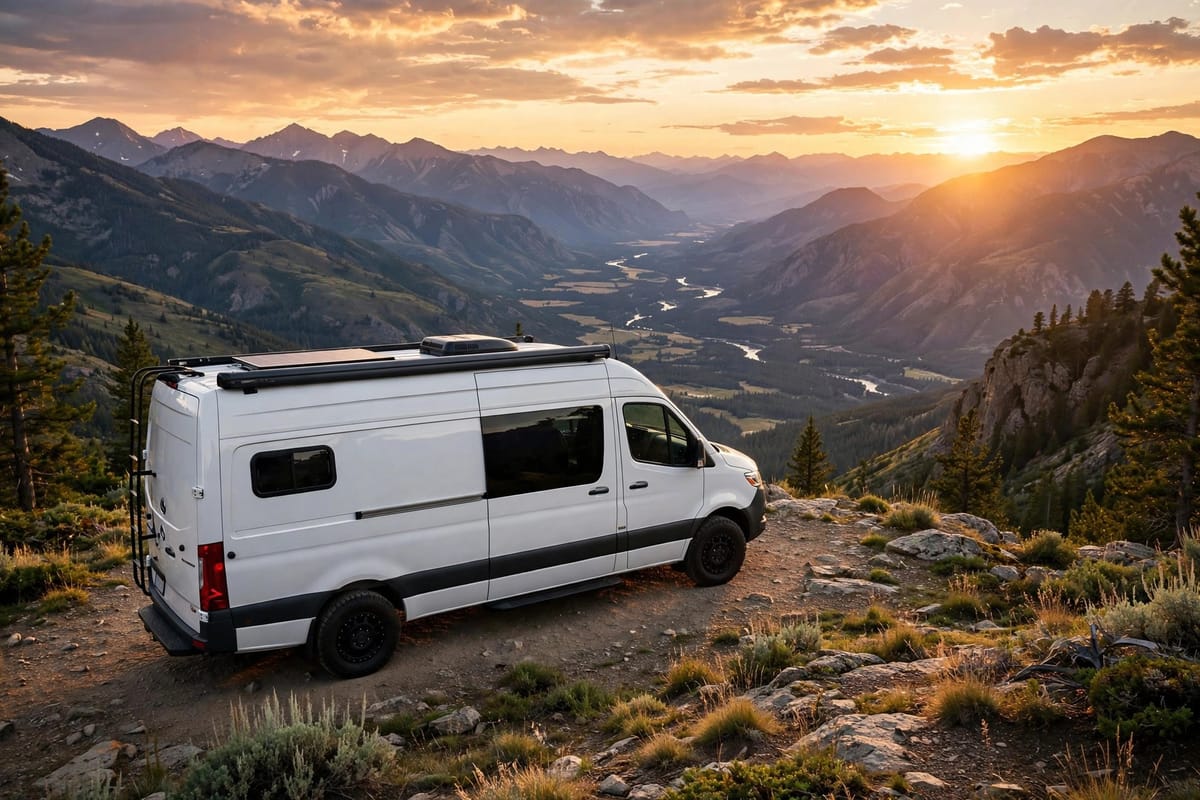
Camper vans are the hottest segment of the used RV market, and Class B motorhomes have been outpacing most other RV types in buyer demand. If you are thinking "sell my camper van," you are holding an asset that a huge pool of buyers — van-lifers, weekend adventurers, remote workers, and downsizing retirees — actively wants. But camper vans sell differently than travel trailers or big Class As. Buyers scrutinize the chassis, the conversion quality, and the off-grid systems with a specialist's eye, and they shop in different places.
This guide walks through the whole process: pricing your van against the right comparables, prepping for the van-specific inspection buyers perform, photographing a small space so it feels big online, listing where camper van buyers actually look, and handling the title and registration paperwork that is slightly different from a towable.
Price Your Camper Van Against the Right Comparables
Camper van pricing is less forgiving than travel trailer pricing, because buyers are comparing your van against factory-built motorhomes, professional conversions, and DIY builds across three major chassis platforms: Mercedes-Benz Sprinter, Ram ProMaster, and Ford Transit. A sloppy price does not just slow your sale — in a small, knowledgeable market, it makes buyers assume something is wrong with the van.
Start With the Book Value, Then Anchor to Sold Listings
JD Power (formerly NADAguides) values cover most factory Class B motorhomes — Winnebago, Airstream, Pleasure-Way, Thor, and the rest — and buyers will have looked yours up before they message you. Pull the low and average retail figures for your exact year, make, model, and floorplan. Then do what matters more: find what comparable vans have actually sold for.
Search current marketplace listings for your model and year, then filter to sold or recently removed listings if the platform shows them. Dealer asking prices run high; private-party sold prices are the truth. Match on chassis (a Sprinter-based van commands more than the same conversion on a ProMaster), mileage band, and condition. If you cannot find your exact model, compare across the same chassis and conversion tier — factory-built, professional upfitter, or DIY — because buyers absolutely price those differently.
Understand the Chassis Premium
The chassis under your conversion is a major pricing factor. Mercedes-Benz Sprinter-based vans typically carry the highest resale, partly from the diesel drivetrain's reputation and partly from brand perception. Ram ProMaster vans price lower but sell strongly on value. Ford Transits sit in the middle, with all-wheel-drive versions commanding a premium in mountain and snow states.
Mileage matters more on a camper van than on a travel trailer, because the drivetrain is the most expensive thing to replace. A well-documented service history — oil changes, transmission service, brake work, tire age — can be worth real money at sale time. Gather every receipt before you list.
| Chassis | Typical resale position | Buyer perception |
|---|---|---|
| Mercedes-Benz Sprinter | Highest | Premium, diesel longevity, expensive repairs |
| Ford Transit | Mid to high | Balanced; AWD versions prized |
| Ram ProMaster | Value tier | Affordable entry, front-wheel drive |
Factory, Professional Conversion, or DIY?
Factory-built Class Bs (Winnebago Travato, Airstream Interstate, Pleasure-Way Plateau) have the most predictable pricing because JD Power tracks them and buyers can compare apples to apples. Professionally converted vans from known upfitters sit a tier below on resale predictability but can command strong money with documentation of the build. DIY conversions are the hardest to price: exceptional builds with receipts, photos of the process, and quality components can sell well, but buyers discount heavily for unknown wiring, unpermitted propane work, or mystery insulation. If yours is DIY, your build documentation IS your value proposition — organize it before listing.
Prep for the Van-Specific Inspection
Camper van buyers inspect like mechanics and like home inspectors at the same time. Walk your van with that dual mindset before anyone else does.
Chassis and drivetrain. Buyers will want maintenance records, tire DOT dates (replace tires older than about six or seven years regardless of tread), brake condition, and any dashboard warning lights explained. A pre-listing mechanic's inspection report is cheap credibility.
Conversion systems. Test everything: refrigerator on all power sources, water pump and plumbing for leaks, water heater, furnace, air conditioning, roof vent fans, all outlets and USB ports, the inverter, and the house battery bank. Note battery type and age — lithium upgrades are a selling point; tired AGM batteries are a negotiation point against you.
Water intrusion. Vans leak at roof penetrations: vent fans, solar panel mounts, air conditioners, and awning brackets. Inspect every seal, and check inside cabinets and under the bed platform for staining or soft spots. Van buyers are paranoid about leaks because repairs mean dismantling the conversion.
The pop-top and seals. If your van has a pop-top or high-top, cycle it and inspect the canvas or seals for tears, mold, and smooth operation. This is a five-figure replacement on some models, so buyers check it carefully.
Smells and moisture. Cook in the van, sleep in it, live in it — vans absorb odors. Deep clean the upholstery, replace the cabin air filter, and air it out for several days before photos. Musty smells kill deals instantly.
Photograph a Small Space So It Feels Big
Camper van listings live or die on photos, because the entire product is 60 to 80 square feet. Shoot in daylight with every light on, stand in the doorway and shoot corner to corner to show the full layout, and photograph the bed deployed AND stowed — buyers need to see both configurations. Capture the galley, the wet bath, the driving cab, the electrical panel and battery compartment, the under-bed storage, and the exterior from all four sides plus the roof.
Include at least one lifestyle shot — the van at a scenic overlook with the doors open — because van-life buyers are buying the dream as much as the vehicle. And photograph flaws honestly. A close-up of a scuffed bumper builds more trust than a listing that pretends the van is perfect. For the full photo playbook, see our 25-shot RV photo checklist.
List Where Camper Van Buyers Actually Shop
Generic marketplaces work, but van buyers cluster in specialist places. List on a dedicated RV marketplace like RV Matcher for national reach among serious RV shoppers, and supplement with van-specific communities: Class B forums, brand-specific owner groups, and van-life marketplaces where enthusiasts hunt daily. Facebook Marketplace moves vans fast locally, but expect more casual inquiries to filter.
Write your headline for search: year, make, model, chassis, and one differentiator. "2021 Winnebago Travato 59G — Ram ProMaster, Lithium + Solar, 41k Miles" will outperform "Nice camper van for sale!!!" every time. In the description, lead with the chassis and mileage, then the conversion highlights, then maintenance history. Van buyers skim for specs first and story second — the opposite of travel trailer buyers.
Set your price from your comparable research, decide your walk-away number in advance, and respond to inquiries fast. Good vans at fair prices sell in days, not weeks; a slow response sends the buyer to the next Sprinter in the search results.
Title, Registration, and the Paperwork That Is Different
A camper van is a motor vehicle, not a towable, so the paperwork follows vehicle rules with a few wrinkles.
Title. You need a clear title in your name, or a lien payoff plan with your lender if you still owe. Some converted vans carry titles that list the original cargo van make (e.g., titled as a Mercedes-Benz or Ram rather than the converter brand) — that is normal, but have the conversion paperwork and VIN plate photos ready so buyers are not spooked. If your van was converted by an upfitter after first sale, keep the upfitter's certificate or build sheet with the title packet.
Registration and emissions. The van is registered as a motorhome or passenger vehicle depending on your state, which affects registration fees and, in some states, emissions testing. Tell the buyer what the van is currently registered as and what it will cost them to register in their state — this is a common last-minute surprise.
Bill of sale and odometer disclosure. Federal odometer disclosure rules apply to motor vehicles. Complete a written bill of sale with the VIN, mileage, sale price, and as-is language, and sign the title over exactly as your state requires. Do the handoff at the buyer's bank or your DMV if anything about the title is unusual — a 20-minute errand prevents a failed sale.
For the complete document checklist, see what paperwork you need to sell an RV. If you still have a loan, read how to sell an RV with a loan before you list.
What is my camper van worth?
Do camper vans hold their value better than other RVs?
Should I sell my DIY conversion differently than a factory van?
Where is the best place to list a camper van for sale?
Can I sell a camper van with a loan on it?
Ready to List Your Camper Van?
Camper vans are moving fast in this market — buyers are searching daily for clean, documented Class Bs on every chassis. If your van is priced from real comparables, photographed to show the full layout, and listed where van shoppers look, you are ahead of most sellers already.
Create your listing on RV Matcher and put your camper van in front of serious RV buyers across the country. And if you are still deciding on price, check your RV's value first — five minutes of research beats five weeks of sitting unsold.