Sell My Motorhome: 2026 Class A, B & C Seller's Guide
How do you sell my motorhome for top dollar in 2026? A class-by-class guide to pricing, records, test drives, and listing strategy for Class A, B, and C.

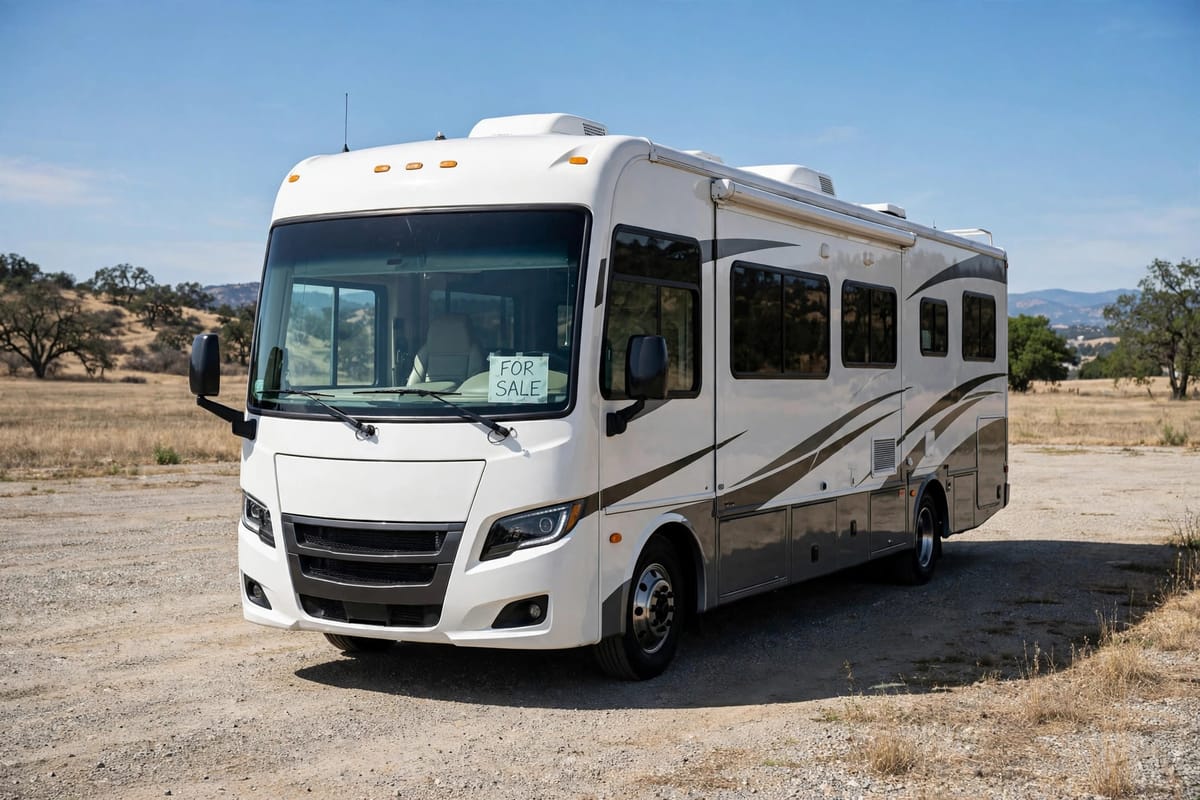
If you are searching "sell my motorhome," you have probably noticed the problem: most RV-selling advice is written for towables, and motorhomes play by different rules. A buyer eyeing your Class A diesel pusher cares about entirely different things than someone shopping for a camper van — and listing both the same way costs you money.
This class-by-class guide covers who is buying, what they fear, which records move the needle, and how to run a test drive that turns lookers into buyers.
What Class Are You Selling? It Changes Everything
Each motorhome class has a distinct buyer with distinct fears. Knowing who is on the other side shapes your pricing, photos, and which details you lead with.
| Class A | Class B | Class C | |
|---|---|---|---|
| Typical buyer | Full-timers, retirees, luxury travelers | Van-life enthusiasts, remote workers | Families, first-time motorhome buyers |
| Buyer's #1 fear | Hidden mechanical issues, delamination | Shoddy DIY conversion work | Cab-over bunk leaks, roof damage |
| Mileage sensitivity | Low — maintenance records matter more | High — low miles command a premium | Medium — condition and history matter |
| Photo priority | Interior finishes, roof, engine bay | Layout, build quality, sleeping setup | Cab-over bunk, slides, sleeping areas |
Price against same-class comparables, not motorhomes in general — a low-mile Class B and a well-maintained high-mile Class A can both be strong listings for different buyers.
The Class A Seller's Playbook
Class A buyers are often the most mechanically aware shoppers in the RV market. They know what a roof replacement costs, and they walk away from vague maintenance history.
Diesel Pusher vs Gas: Set Expectations Honestly
Gas Class A buyers tend to be budget-conscious weekenders. Diesel pusher buyers are often full-timers spending six figures; they expect a binder of receipts and straight answers about the air system, airbags, and engine brake.
Tire Age Beats Tread Depth
This detail kills more Class A deals than any other. Motorhome tires age out long before they wear out, and experienced buyers check the DOT date code on every tire — including inner duals and the spare. A coach with deep tread on nine-year-old tires is a safety concern, not a selling point.
Photograph the DOT codes before listing. If your tires are older than roughly six or seven years, price accordingly or replace them — buyers will deduct a full set from your asking price, and then some.
Generator Hours and Service History
Buyers want two numbers: total generator hours and the date of the last service. High hours with clean records beat low hours on a unit that sat unused for years, because idle generators develop problems. Run the generator under load before showings so you can prove it works.
Roof and Seal Condition
Inspect every seam, skylight, and vent, and photograph the roof from multiple angles — Class A buyers distrust sellers who show twenty interior photos and zero roof photos. Note your last reseal date; a documented reseal schedule is a top trust signal.
The Class B Seller's Playbook
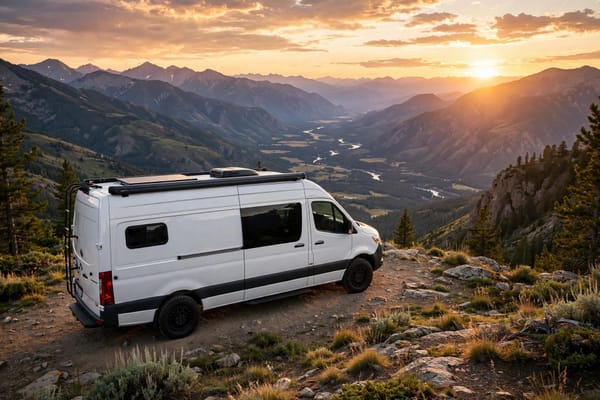
Camper vans enjoy some of the strongest demand in the motorhome market, driven by van-life and remote-work buyers. That demand is your advantage — but these buyers are detail-obsessed, so your listing has to earn it.
Low Mileage Commands a Premium
Class B buyers pay real premiums for low miles. Under 50,000 miles belongs in your title and first sentence. With higher miles, pivot to maintenance documentation and recent major services instead.
Factory Build vs DIY Conversion: Disclose Everything
Factory-built vans sell on brand reputation. Converted vans sell on build quality — and buyers will interrogate it. Photograph the electrical system, plumbing, and insulation if accessible. If a professional shop did the work, name it and include the invoice. If you built it yourself, document materials and methods honestly; undisclosed amateur wiring kills van-life buyer trust fast.
Sell the Compact Advantage
Class B buyers chose this class because they need no tow vehicle, can park in a standard driveway, and can daily-drive the van. Say this explicitly — these are the reasons van buyers skipped larger rigs, and reminding them strengthens your listing.
The Class C Seller's Playbook
Class C buyers are overwhelmingly families and first-time motorhome owners. They are less mechanically confident than diesel pusher shoppers, so clarity and reassurance win the sale.
The Cab-Over Bunk: Your #1 Leak Zone
The cab-over bunk is where Class C motorhomes leak first and worst — the front seam takes the full force of highway rain. Inspect for soft spots, staining, and musty odors before listing, and disclose proactively: "Bunk inspected March 2026, no moisture, resealed 2025" beats silence every time. If there is damage, get a repair quote and share it — transparency converts.
Chassis and Drivetrain Notes
Most Class C rigs ride on Ford or Chevy van chassis — a selling point, since parts are widely available and any competent shop can service them. Mention the chassis, engine, and recent chassis service (brakes, transmission fluid, coolant). Family buyers find comfort in familiar brand names.
Slides and Sleeping Capacity
Families buy sleeping capacity. State exactly how many the rig sleeps, demonstrate every slide in photos and showings, and note recent slide seal or motor service. A sticky slide is a negotiation weapon — service it before listing if you can.
Service Records Are Your #1 Selling Tool
Across all three classes, one factor separates fast full-price sales from months of lowball offers: documented maintenance. Compile these into a binder or digital folder and mention it prominently in your listing.
| Record Type | Why Buyers Care |
|---|---|
| Oil and filter changes | Proves regular engine care; gaps raise red flags |
| Transmission service | One of the priciest repairs — receipts calm nerves |
| Coolant service | Documented flushes show diligence against overheating |
| Brake service | Safety item buyers ask about on every test drive |
| Generator service | Validates the hour meter and load-test readiness |
| Roof reseals and inspections | Addresses the #1 water-damage fear head-on |
| Tire purchase receipts | Confirms tire age claims without crawling underneath |
| Appliance repairs (fridge, A/C, furnace) | Shows house systems work, not just the chassis |
Bring the folder to every showing and let buyers flip through it. For many sellers, the records binder is what finally closes the deal after the test drive.
What to Say About Diesel vs Gas in Your Listing
Answer the drivetrain question in your listing before buyers have to ask:
| Diesel | Gas | |
|---|---|---|
| Maintenance cost | Typically higher — complex emissions systems | Typically lower — simpler engines |
| Emissions equipment | Newer diesels have DEF/DPF systems; note service history | Minimal equipment to maintain |
| Fuel economy | Roughly better per gallon on long highway hauls | Adequate for regional and weekend trips |
| Best buyer fit | Full-timers, high-mileage travelers | Weekend campers, tailgaters, budget buyers |
Never invent MPG figures — this market fact-checks. Instead describe how you used the rig: "We full-timed two years and the diesel pulled mountain grades without strain" tells a buyer more than any spec sheet.
Sell My Motorhome: Consignment vs Private Sale
For six-figure motorhomes, consignment deserves a serious look. A consignment dealer handles marketing, showings, financing coordination, and paperwork — valuable if you cannot take buyer calls all day. The tradeoff is commission, typically a percentage of the final sale price. Get every term in writing: commission rate, who pays for detailing and repairs, agreement length, and what happens if you find your own buyer.
Private sale nets you more but demands your time: photography, listing management, showings, and negotiation. Under roughly $100,000, private sale usually makes more financial sense, since commissions bite hardest on mid-priced units.
The Motorhome Test-Drive Protocol
Plan the test drive like an event: map a 20–30 minute route with highway merging, turns, a hill if nearby, and a parking lot for maneuvering practice. You ride along, always — never hand keys to a stranger unsupervised.
Before listing, confirm with your insurer that your policy covers another driver during a private-party test drive, and require a valid driver's license at the showing. Most states do not require a special license for motorhomes under standard weight limits, but verify your state's rules.
Before rolling, do a full systems walkthrough: start the generator, run the slides, cycle the leveling jacks, and show the dashboard warning-light check. After the drive, walk through the house systems once more while everything is warm. Buyers who have touched every switch rarely vanish afterward.
Title, Emissions, and Paperwork Before You List
Sort paperwork before the listing goes live. Have the title in hand; if there is a lien, contact your lender now for the payoff amount and title-release process — this step delays more closings than any other.
A few states require smog or safety certificates for motorhomes at sale, so check requirements early — inspections can take weeks to schedule in busy seasons. Keep registration current and have service records, owner's manuals, and transferable warranties ready. Clean paperwork signals a careful owner, and careful owners get asking price.
Should I fix everything before I list my motorhome, or sell as-is?
Does mileage matter when I sell my motorhome?
How do I price my motorhome to sell quickly?
Can I sell my motorhome if I still owe money on it?
What is the best time of year to sell a motorhome?
List It Where Motorhome Buyers Are Shopping
You have the playbook: match your listing to your class's buyer, lead with service records, disclose trouble spots before buyers find them, and run a test drive that builds confidence. Sellers who do these four things sell faster and closer to asking price.
The last step is putting your rig in front of the right audience: a dedicated RV marketplace shows it to people who came to buy exactly what you are selling.