How Much Does an RV Cost in 2026? Real Prices by Type
Wondering how much an RV costs in 2026? See real price ranges by RV type — new vs used — plus ownership costs and how to check what yours is worth.

If you're shopping for an RV — or just wondering what the one sitting in your driveway is worth — the first question is always the same: how much does an RV cost?
The honest answer is that it depends. An RV can cost less than a used sedan or more than a house. A pop-up camper and a diesel pusher are both "RVs," but they live in completely different price universes.
This guide breaks down real-world 2026 price ranges for every major RV type, new and used — plus what moves prices, the ownership costs buyers forget, and how to pin down what a specific RV is actually worth.
RV Prices at a Glance: Average Cost by Type
Here's the quick answer. These are broad, approximate ranges based on typical market listings — not exact figures. Condition, age, brand, and your local market can move any RV well above or below these bands.
| RV Type | New (approx.) | Used (approx.) |
|---|---|---|
| Class A motorhome | $100,000–$500,000+ | $40,000–$200,000 |
| Class B camper van | $100,000–$250,000 | $50,000–$120,000 |
| Class C motorhome | $80,000–$200,000 | $35,000–$100,000 |
| Fifth wheel | $40,000–$150,000 | $20,000–$80,000 |
| Travel trailer | $15,000–$70,000 | $8,000–$35,000 |
| Truck camper | $15,000–$60,000 | $8,000–$30,000 |
| Pop-up / folding camper | $10,000–$30,000 | $4,000–$15,000 |
A few things worth knowing about each type:
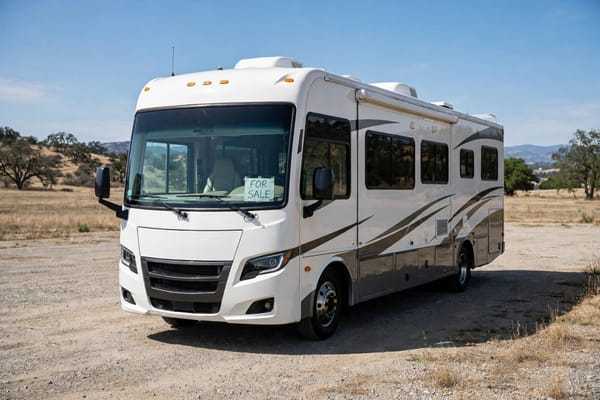
Class A motorhomes are the big bus-style rigs, and they carry the biggest prices. A new gas Class A starts around $100,000, while a luxury diesel pusher can easily top $500,000.
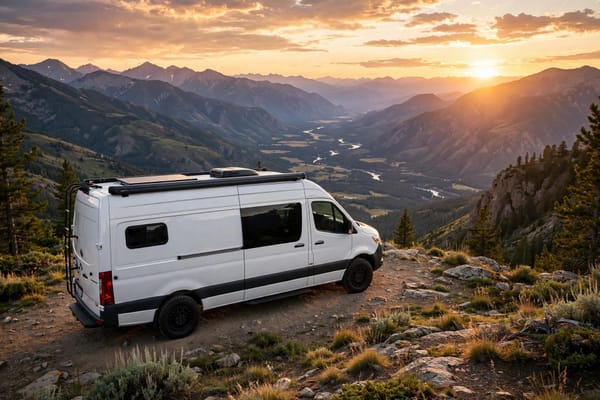
Class B camper vans punch above their weight on price. You're paying for the van chassis plus a complex conversion, so even used vans hold value well. Expect to pay roughly $50,000–$120,000 for a used one, and $100,000–$250,000 new.
Class C motorhomes — the ones with the over-cab bunk — sit in the middle. They're a common first motorhome because the driving experience is closer to a big truck than a bus. Used models in good condition typically run $35,000–$100,000.
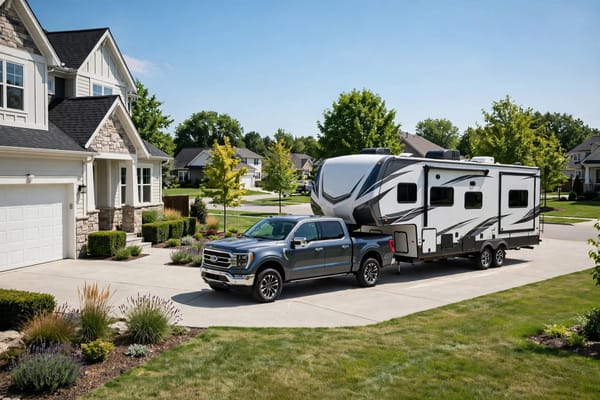
Fifth wheels offer some of the most living space per dollar. Used models in solid condition generally fall between $20,000 and $80,000.
Travel trailers are the most popular RV type in America, and price is a big reason why. A used travel trailer in good shape can be found for roughly $8,000–$35,000, making this the easiest entry point into RV ownership — especially if you already own a tow-capable vehicle.
Truck campers and pop-ups are the budget-friendly end of the market. A used pop-up in working condition can cost less than $10,000, which makes them a great way to test the RV lifestyle before committing bigger money.
Want live numbers instead of ranges? Browse real RV listings on the RV Matcher marketplace to see what RVs are actually listed for right now, filtered by type, price, and location.
What Actually Drives the Price of an RV?
Two RVs of the same year, make, and model can be listed thousands of dollars apart. Here's what creates that spread:
Age and depreciation. Like cars, RVs lose value fastest in their first few years, then the curve flattens. A 3-year-old RV in great shape is often the value sweet spot — most of the depreciation is done, but plenty of life remains.
Condition and maintenance history. This is the single biggest wild card in used RV prices. A well-maintained 10-year-old RV with service records, a solid roof, and no water damage can sell for more than a neglected 5-year-old one. Water intrusion is the number one value-killer — always check the roof, seams, and floors.
Brand and build quality. Premium brands with reputations for durability (think Airstream, Tiffin, Newmar) command higher resale prices. Budget brands depreciate faster. Brand alone can account for a 20–30% price difference between otherwise similar RVs.
Mileage (motorized RVs). For Class A, B, and C motorhomes, mileage matters much like it does for cars. Under 50,000 miles is generally considered low for a motorhome; over 100,000 starts to discount the price, though a well-kept diesel drivetrain can run far longer.
Floor plan, length, and features. Longer units with slide-outs, generators, solar setups, and upgraded interiors list higher. Bunkhouse models are in strong demand from families, which supports their resale value.
Season and local market. RV prices are seasonal — demand (and prices) typically peak in spring and early summer, then soften in fall and winter. Prices also vary by region; shopping a wider radius can uncover real savings.
The Hidden Costs of Owning an RV
The sticker price is only part of the math. Before you buy, budget for the costs that surprise first-time owners:
Insurance. Expect roughly $500 to $2,000+ per year depending on the RV type, value, and how you use it. Motorhomes cost more to insure than towables.
Storage. If you can't park at home, outdoor storage typically runs $50–$150 per month, and covered or indoor storage can reach $200–$300+ per month.
Maintenance and repairs. RVs are houses that bounce down the highway — things wear out. Tires age out every 5–7 years regardless of tread, roof seals need resealing, and appliances eventually fail. Smart owners keep a dedicated repair fund rather than hoping for the best.
Fuel. A Class A motorhome getting 6–8 mpg will drink a lot of diesel on a cross-country trip — budget accordingly.
Campground fees. Nightly rates range from free (boondocking on public land) to $30–$80+ at private campgrounds with full hookups. Heavy travelers should factor this into the annual budget.
Add it up, and annual ownership costs beyond the purchase price commonly run a few thousand dollars for a modest travel trailer — and well into five figures for a large motorhome used heavily.
New vs Used: Which Is the Better Value?
For most buyers, used is the better value — and it's not close.
A new RV loses a big chunk of its value the moment it's titled, just like a new car. Buying a 3-to-7-year-old RV lets someone else absorb that initial depreciation while you get a rig with most of its useful life ahead of it. The used market is also vastly larger, which means more selection and more negotiating room.
New makes sense in a few cases: you want a full factory warranty, you need a specific floor plan that's hard to find used, or you're buying a type (like certain camper vans) where used inventory is thin and prices stay high.
Either way, the rule is the same: never pay asking price without checking comparable listings first. Sellers price optimistically. Your job is to find out what similar RVs actually sell for — not just what they're listed for.
How to Check What a Specific RV Is Worth
Whether you're buying or selling, here's how to pin down a realistic market value:
- Compare active listings. Search for the same year, make, model, and floor plan to see the current asking-price range. The RV Matcher marketplace lets you filter listings by all of these.
- Look at sold prices, not just asking prices. Asking prices are wishes; sold prices are facts. Marketplaces that show recently sold RVs give you the clearest picture of real market value.
- Use a free price-check tool. RV Matcher's free price-check tool helps you estimate what an RV is worth based on real market data — useful whether you're making an offer or setting your asking price.
- Get a dealer trade-in quote as your floor. A dealer's offer tells you the wholesale value. Private-party sales almost always beat it, which is exactly why selling it yourself is worth considering.
Thinking of Selling? Your RV May Be Worth More Than You Think
Here's the flip side of everything above: if you already own an RV, the same strong demand that makes buying competitive works in your favor as a seller.
Used RV values have held up well, and private-party sellers consistently net more than trade-in offers — often thousands more. The catch has always been the hassle: dealer consignment fees, listing fees, and tire-kickers.
That's why RV Matcher exists. Listing your RV is completely free — no listing fees, no commissions, no final-value cut. You keep every dollar of your sale price. And with active buyers browsing the marketplace, your listing gets in front of serious shoppers, not just your local classifieds.
If you've been curious about what your RV could sell for, run it through the free price-check tool and browse comparable listings. You might be surprised — and if the number looks good, listing takes just a few minutes.
What is the cheapest type of RV?
How much does a used travel trailer cost?
How much does a Class A motorhome cost?
Are RVs cheaper in the fall and winter?
How much does RV insurance cost?
Find Out What Your RV Is Worth — Then List It Free
You don't need to guess. Check real market prices on the RV Matcher marketplace, run your rig through the free price-check tool, and if the number makes you smile, list your RV for sale — free. No fees, no commissions. Just your RV, in front of serious buyers.