How Much Is My RV Worth? The Complete 2026 RV Valuation Guide

The Three Values of Your RV
Every recreational vehicle has three distinct values at any given moment. Confusing them is the most common pricing mistake sellers make:
- Trade-In (Wholesale) Value: What a dealership will offer in cash or trade credit. This sits 20% to 30% below retail because the dealer factors in reconditioning costs, floor-plan financing, and resale profit margins.
- Private Party Value: What an individual buyer will pay you directly. This is your target benchmark, generally netting you thousands of dollars more than any dealership buyout.
- Dealer Retail Value: What commercial dealerships list comparable units for. This represents the absolute pricing ceiling, factoring in dealer warranties, preparation fees, overhead, and negotiation cushions that private sales do not carry.
The gap between wholesale trade-in and private party value—often $8,000 to $15,000 on late-model rigs—is the equity you keep by selling directly to a buyer on RV Matcher.
Is There a "Blue Book" for RVs?
Kelley Blue Book does not track or publish RV values. The industry-standard reference is J.D. Power RV Values (which acquired and integrated the historical NADA Guides database).
When using J.D. Power values, keep two realities in mind:
- The baseline skews wholesale: The published "used value" relies heavily on dealer auction transactions and wholesale data. Treat it as your absolute price floor, not your target private-party price.
- Algorithms cannot assess physical condition: Book values cannot see a resealed roof, pristine tires, upgraded lithium battery banks, or conversely, hidden floor delamination and water damage.
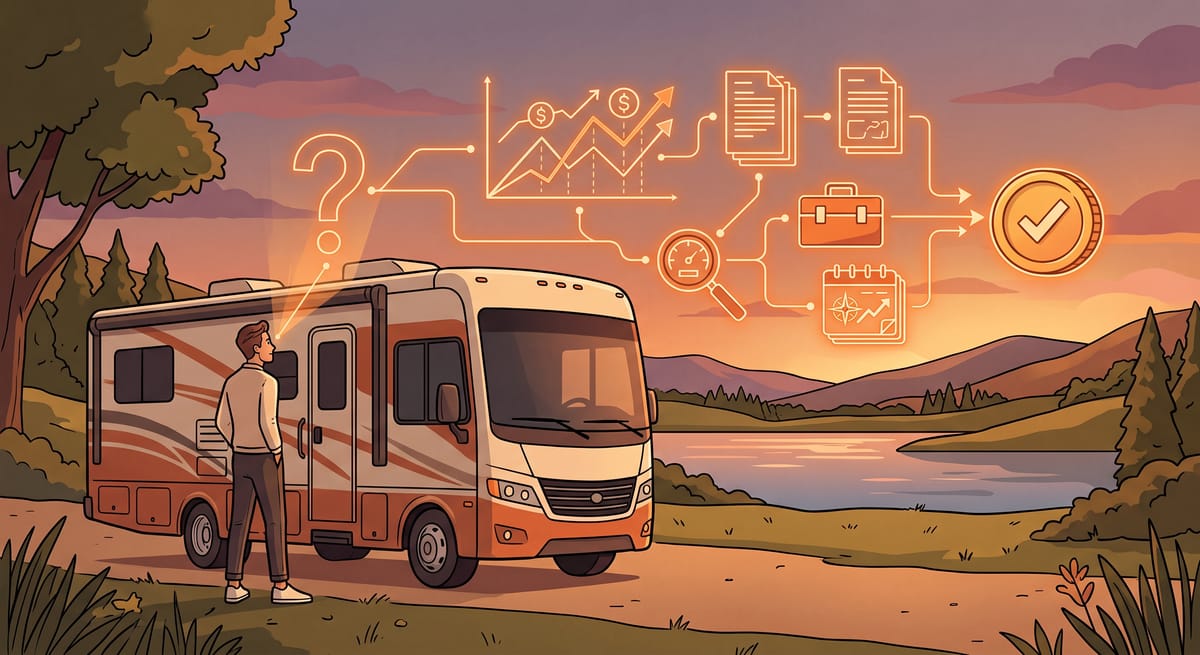
The 4-Step Valuation Method for 2026
- Step 1: Check J.D. Power Base Value (5 Minutes)Enter your specific year, make, model, and floor plan. Record the base value before adding aftermarket options to establish your price floor.
- Step 2: Pull Live Regional Comps on RV Matcher (30 Minutes)Live listings reflect what active buyers are willing to pay today. Search for your exact model within a $\pm2$-year window. Filter by recently listed and sold units rather than stale listings that have sat unchanged for six months.
- Step 3: Benchmark Against Dealer Cash OffersRequesting an instant cash offer or appraisal from a local dealer provides an accurate snapshot of your wholesale floor. If a dealer offers $32,000, they plan to retail the unit for $40,000+.
- Step 4: Consider a Certified Appraisal (Situational)For high-end luxury diesel pushers ($150k+), complex custom conversions, or legal/estate settlements, hiring an NRVIA-certified appraiser ($150–$400) provides neutral, documented valuation proof.
Depreciation Curves by RV Class
Depreciation is steepest during the first three years of ownership, with units shedding 15% to 25% of their value in year one alone. The curve flattens significantly between years 5 and 10, creating a sweet spot where maintained units hold strong private-party demand.
| RV Class | 5-Year Depreciation Trend | Resale Liquidity & Demand | Key Valuation Driver |
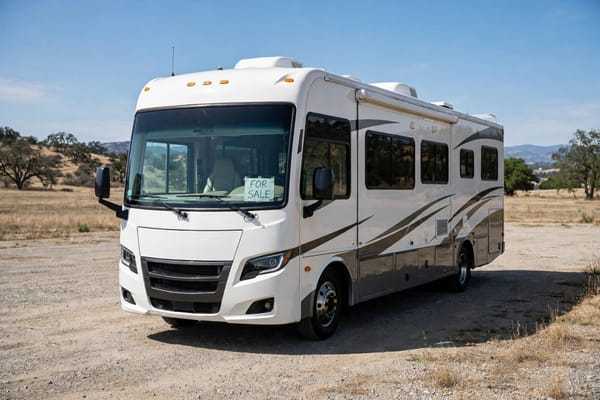
| Class A Motorhome | Steepest early drop; flattens significantly after Year 5 | Moderate; higher barrier to entry | Engine chassis, slide mechanics, full-body paint condition |
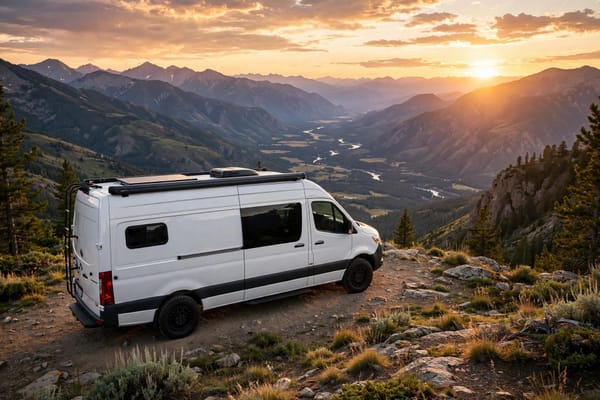
| Class B Camper Van | Strongest retention; steady demand for off-grid setups | Very High; agile buyer pool | Lithium battery capacity, 4WD/AWD chassis, suspension upgrades |
| Class C Motorhome | Moderate, predictable depreciation curve | High; popular for families and rental conversions | Cabover seam integrity, cab chassis condition, roof sealants |
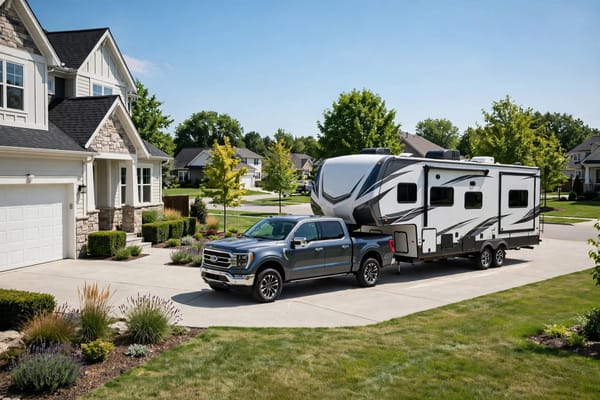
| Fifth Wheel | Moderate; sensitive to brand prestige and floor plan | High among seasonal and full-time travelers | Pin weight specs, residential appliance packages, slide condition |
| Travel Trailer | Fast initial depreciation; stabilizes at entry-level price points | Highest overall sales volume | Dry tow weight, leak-free roof seams, bunkhouse layout |
Key Factors That Influence Your Resale Price
- Documented Leak-Free History: Water intrusion is the number one value killer in the RV industry. A clean rig with documented annual seal inspections commands an immediate premium over unverified units.
- Brand Loyalty & Build Quality: Premium manufacturers (such as Airstream, Grand Design, Newmar, and Tiffin) hold stronger secondary-market value than entry-level builds.
- Mechanical Care vs. Low Mileage: Motorhomes that have sat stagnant in storage for years often have dry-rotted seals, bad fuel, and flat-spotted tires. A rig with 35,000 well-serviced miles regularly outsells a neglected 8,000-mile unit.
- High-Demand Layouts: Bunkhouses for young families, dual-opposing slide living rooms, king beds, and exterior camp kitchens add clear value. Clunky or narrow floor plans require lower pricing to move.
- Geographic & Seasonal Alignment: Northern markets pay premiums for four-season thermal packages in early fall, while southern Sun Belt states see strong year-round movement for large diesel coaches.
How to Price Your RV for a Fast, Profitable Sale
- Anchor to Verified Market Comps: Set your asking price based on median sold comparables, adjusted for upgrades and condition.
- Stay Below Key Filter Thresholds: Price at $39,900 instead of $41,000. Online shoppers filter searches in $5,000 increments; crossing that bracket hides your rig from qualified buyers.
- Leave a 3% to 5% Negotiation Buffer: Avoid inflating your price by 15% "just to negotiate." Overpriced listings get scrolled past, leading to weeks of stagnation.
- Implement a Scheduled Price Review: If your listing receives saves but zero inquiries within the first 14 days, adjust the price by $1,000 to $1,500 to re-engage active shoppers.
Frequently Asked Questions
Is there an official Kelley Blue Book for campers?
No. KBB does not cover the RV market. J.D. Power RV Values (formerly NADA Guides) serves as the primary valuation reference for banks, insurers, and dealerships.
How accurate are J.D. Power / NADA RV values?
They provide a reliable price floor, but because they are derived from wholesale auction data, they frequently underestimate the private-party market value of clean, well-maintained units.
Do RVs with higher mileage always sell for less?
Not always. In motorized rigs, documented mechanical maintenance, routine generator exercise, and updated chassis servicing matter more than odometer numbers. Units that sit unused often suffer from seal degradation and electrical issues.
Does past water damage permanently ruin an RV's resale value?
Unrepaired delamination or rot severely lowers value. However, if the issue was professionally repaired, resealed, and documented with receipts, you can preserve fair value through full transparency.
What paperwork do I need to finalize a private sale?
You will need a clean physical title (or loan payoff documentation), a formal Bill of Sale stating vehicle details and "as-is" terms, current registration, and an odometer disclosure statement for motorized rigs.
Capture the full private-party value of your camper without dealership markdowns. List your RV on RV Matcher today to connect directly with verified buyers, benefit from automated scam screening, and keep 100% of your equity.