How to Sell Your RV Fast: 2026 Seller's Playbook
Learn how to sell your RV fast in 2026: smart pricing, photos that convert, where to list free, and paperwork done right. List free on RV Matcher.

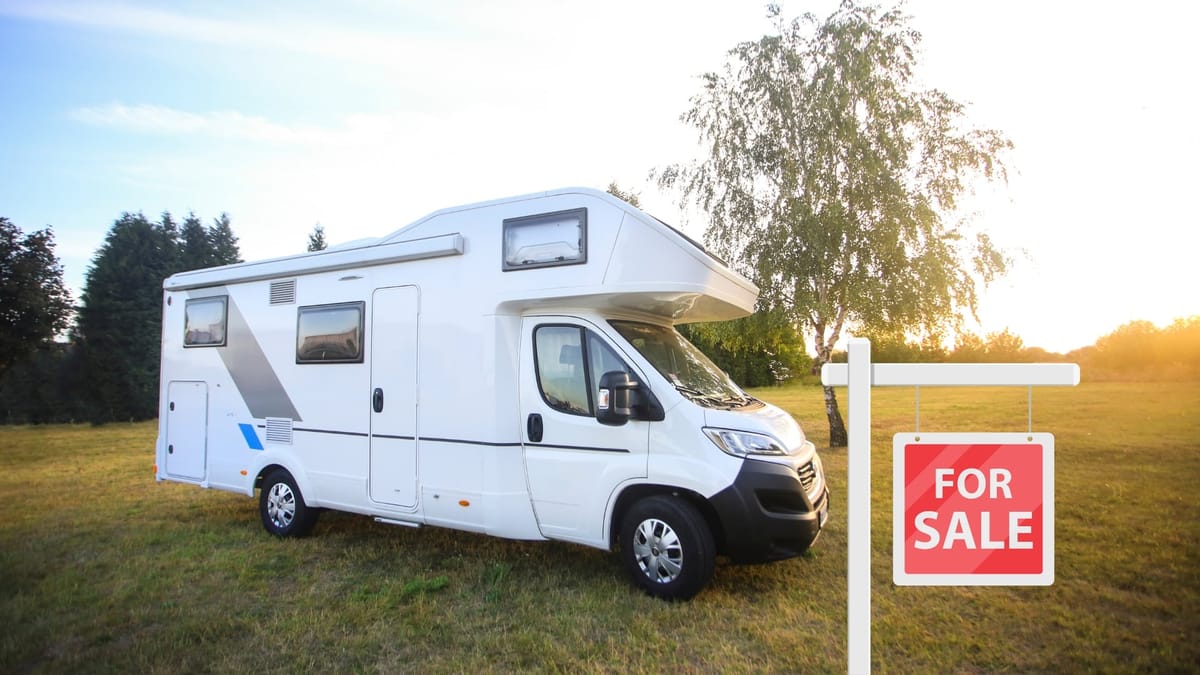
You don't need luck to sell your RV fast. You need the right price, a listing that earns the click, and a plan for every step from first photo to title transfer. Most RVs that sit unsold for months aren't bad units — they're poorly priced, poorly photographed, or listed in the wrong place.
This playbook walks through exactly what to do, in order, so your RV sells in weeks instead of months. Want the easiest win first? List your RV for free on RV Matcher and be in front of buyers today.
Price It Right From Day One
Pricing is the single biggest factor in how fast your RV sells. Overprice by even a little and your listing goes stale; buyers assume something is wrong with it. Price it right from the start and you create urgency instead.
Research real market prices, not asking prices. Search active listings for your exact year, make, model, and floor plan. Then look at recently sold units — sold prices tell you what buyers actually paid, which is what matters. RV Matcher's Recently Sold data shows what comparable rigs sold for, so you're pricing against reality, not wishful thinking.
Use a price-check tool. Guessing is how listings stall. Run your RV through RV Matcher's free price-check tool to see where your unit lands against the current market before you publish.
The first two weeks are your window. New listings get the most views, the most saves, and the most inquiries. If you launch high "to see what happens," you burn that window and then chase the market down with price drops. A sharp, fair price on day one beats a high price plus three reductions every time.
Price a few percent above your walk-away number so buyers get the satisfaction of negotiating a small win — but stay close to market, or you'll attract lowballers or silence.
Take Photos That Actually Sell
Buyers decide whether to message you based on photos alone. Most private-party listings lose the sale here with dark, cluttered, or blurry shots.
- Shoot in daylight, on a clear day. Morning or late afternoon light flatters every RV. Turn on every interior light before you shoot inside.
- Clean it like you're selling a house. Declutter counters, make the beds, hide personal items, and wipe down surfaces. A clean RV photographs thousands of dollars better.
- Cover the essentials: front, both sides, rear, roof (if safely accessible), every sleeping area, kitchen, bathroom, dinette, storage bays open, tires close-up, and the tow vehicle connection or engine bay for motorhomes.
- Show the flaws honestly. A small scratch photographed upfront builds trust. A flaw discovered in person kills deals.
- Use 20–40 photos. More photos mean longer time on your listing, more saves, and more inquiries. Listings with a handful of dark photos get skipped.
Shoot in landscape, keep it steady, and skip the filters.
Write a Listing Description That Converts
Your description has one job: turn a click into a message. Structure beats poetry.
Lead with the facts buyers filter on: year, make, model, floor plan, length, mileage (motorized), and location. Put these in the first two lines so shoppers don't have to hunt.
Then answer the questions every buyer asks:
- Why are you selling? (Upgrading, downsizing, lifestyle change — a normal reason builds trust.)
- How was it used and stored? (Covered storage, regular use, and maintenance records are gold.)
- What's the condition, honestly? (Tires age, roof condition, any repairs or upgrades.)
- What's included? (Hitches, surge protectors, linens, outdoor gear — extras sweeten the deal.)
End with a clear next step. "Message me to schedule a showing this weekend" converts better than no call to action at all. Include your general area but keep exact address and phone number for serious inquiries.
Skip the all-caps hype and never hide the price — transparency sells faster.
Where to List: Dealer vs Paid Marketplaces vs RV Matcher
Where you list determines how many buyers see your RV and how much of the sale price you keep. Here's the honest breakdown.
Dealer trade-in or consignment. Fastest option, lowest return. A dealer needs to buy low enough to recondition and resell at a profit, so trade-in offers typically come in well below private-party value. Consignment keeps more money in your pocket but the dealer takes a commission, and your RV sits on their lot on their timeline. Good if you value convenience over dollars.
Paid marketplaces. The big classified sites charge listing fees that climb with photos, featured placement, and listing duration. You can easily spend real money before a single buyer messages you — and if your RV doesn't sell quickly, you pay again to renew. The audience is large, but you're paying for access whether it works or not.
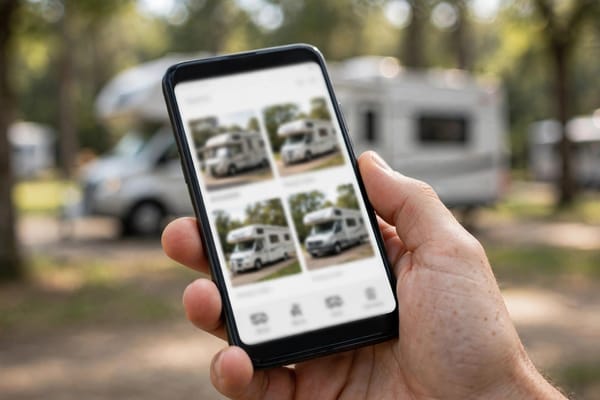
RV Matcher: free to list. This is the option built for sellers who want maximum exposure without upfront cost. Listing on RV Matcher is free — no listing fees, no commission taken from your sale. Your RV goes in front of thousands of active RV shoppers browsing the marketplace, you keep every dollar of the sale price, and you can adjust your price or refresh your listing anytime at no cost. When the goal is to sell your RV fast, removing the cost of listing removes the risk of trying.
For most sellers, the smartest move is listing free on RV Matcher first — zero downside — and paying for extra exposure only if you need it.
Time Your Sale
RV buying is seasonal. Demand climbs through spring, peaks in early summer, and softens in fall and winter — with regional exceptions in warm-weather states where winter buyers stay active.
If you can choose, list in spring when shoppers are planning summer trips. Your RV photographs better, shows better, and competes in the strongest buyer pool of the year.
But don't wait for perfect timing if you need to sell now. A well-priced, well-presented RV sells in any season. Timing helps; execution decides.
Handle Inquiries and Showings Safely
Respond within a few hours when you can — short, helpful answers with an offer to schedule a showing keep momentum going.
Qualify before you meet. A quick call tells you more than ten messages: ask about their RV experience, payment plan, and timeline. Genuine buyers answer directly.
Show smart and safe. Meet in daylight, ideally with someone else present — your driveway or a public spot is fine for the first showing. Save the remote storage lot for serious buyers, and let someone know where you'll be.
Let them inspect. Encourage a thorough walkthrough and even an independent inspection. Buyers who inspect carefully buy confidently, and inspections rarely kill deals on honestly described RVs. Have maintenance records, the title, and your ID ready.
Test drives and tow-aways. Ride along on every motorhome test drive after verifying license and insurance. For towables, confirm the buyer's tow vehicle is rated for your trailer before anyone hooks up.
Paperwork and Title Transfer
Deals fall apart at the finish line when paperwork isn't ready. Get ahead of it.
- Title in hand. If there's a lien, contact your lender now to learn the payoff and release process — it can take days or weeks.
- Bill of sale. Write one for every sale: buyer and seller names, VIN, sale price, date, and "as-is" language if applicable. Both parties sign; both keep a copy.
- Smog and safety requirements. Some states require inspections or emissions certificates to transfer ownership. Check your state's DMV before the sale, not after.
- Payment. Verify cashier's checks with the issuing bank before signing anything, and for larger amounts complete the deal at a bank. Never accept overpayment "refunds" — that's a classic scam.
- Notify your state. File the release of liability / transfer notification with your DMV promptly so you're not on the hook for tickets or tolls after the sale.
- Insurance and registration. Cancel or transfer your insurance only after the title is signed over, and remove your plates per your state's rules.
A clean paperwork package signals a serious seller and lets a motivated buyer say yes on the spot.
Common Mistakes That Stall a Sale
- Overpricing out of the gate — then chasing the market down with slow reductions.
- Five dark photos — buyers scroll past without reading a word.
- Vague descriptions — "great condition, must see" tells the buyer nothing.
- Hiding the VIN or dodging questions — transparency builds trust; evasiveness kills it.
- Listing in only one place — more qualified eyeballs means a faster sale.
- Paying to list before testing free options — start where listing costs nothing.
- Slow responses — buyers message multiple sellers; the responsive one wins.
- Being inflexible on showings — evenings and weekends are when buyers are free.
Fix these and you're already ahead of most private sellers competing for the same buyers.
How fast can you sell an RV?
Should I sell to a dealer or privately?
What is the best way to sell an RV?
Do I need to pay off my RV loan before selling?
Is it better to sell my RV in spring?
List Your RV for Free and Sell It Faster
You now have the playbook: price against real sold data, photograph like it matters, write a description that answers buyer questions, and list where the buyers already are.
The fastest move you can make today is getting your RV in front of shoppers at zero cost. List your RV for free on RV Matcher — no listing fees, no commission, and you keep every dollar of your sale price.