RV Depreciation in 2026: What Your Rig Is Really Worth (and When to Sell)

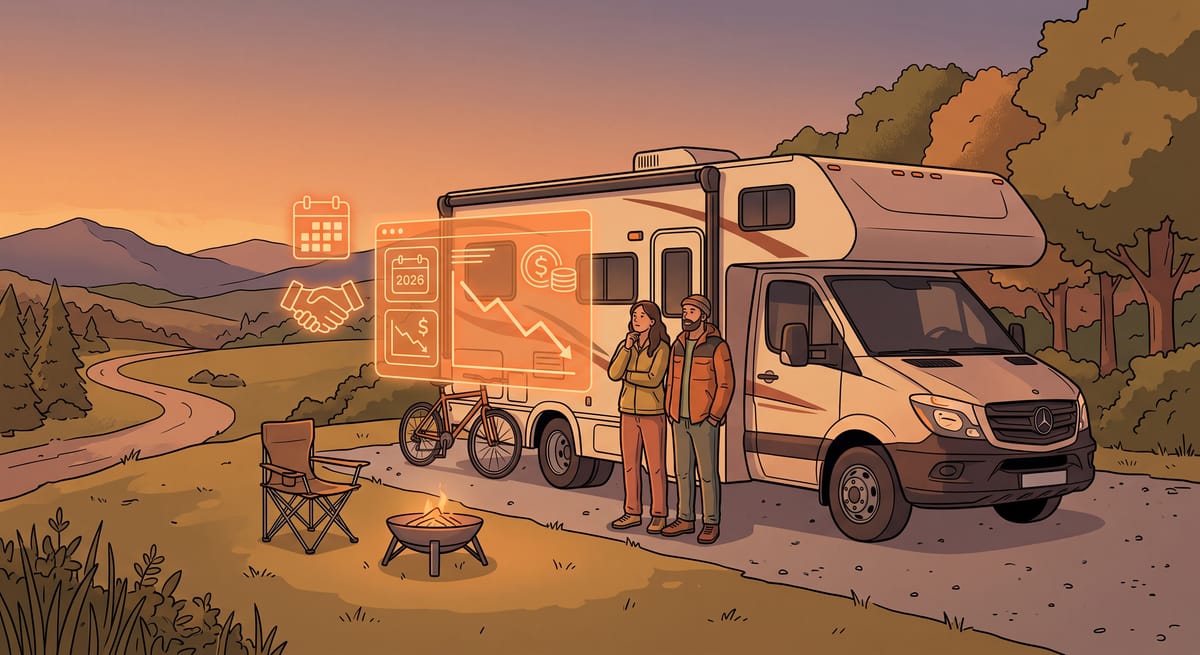
Depreciation remains the single largest hidden expense of owning a recreational vehicle. For the vast majority of owners, value loss costs more over time than fuel, insurance, storage, and maintenance combined. Despite this financial reality, very few people factor the depreciation curve into their buying or selling strategy.
Whether you are evaluating a new purchase or calculating what your current camper is worth, vehicle valuation trends should guide your timeline. In 2026, shifting market demand, inventory stabilization, and interest rate adjustments have reshaped how fast rigs lose value.
Understanding how RV depreciation works allows you to protect your equity, avoid steep valuation drops, and time your sale for maximum return.
Here is how the RV depreciation curve functions in 2026, how different classes hold value, and how to use market timing to your financial advantage.
How Fast Does an RV Depreciate?
Like new passenger vehicles, recreational vehicle depreciation follows a steep, front-loaded curve. Most brand-new RVs lose between 20% and 30% of their total purchase value within the first 12 months. By years five and six, a rig often drops to roughly 50% of its original retail price.
The typical RV depreciation cycle breaks down into three distinct stages:
- Years 1 to 2 (The Retail Drop): The sharpest decline happens the moment the rig drives off the dealer lot, as new vehicle markup and immediate titling take effect.
- Years 3 to 5 (The Stabilization Phase): The rate of value loss slows down considerably, stabilizing year-over-year equity.
- Years 10 and Beyond (The Value Floor): Depreciation largely levels off. At this stage, resale pricing is driven almost entirely by mechanical condition, floor plan layout, and upkeep rather than model year alone.
Understanding this curve reveals two clear strategic advantages:
- For Buyers: Shopping for a 2 to 4-year-old rig lets the first owner absorb the steepest financial hit, allowing you to secure a modern, fully functional camper at a significant discount.
- For Sellers: Listing your rig on RV Matcher before it crosses key age thresholds (such as the 5-year or 10-year mark) helps you capture top resale value before the next valuation step-down occurs.
RV Depreciation Rates by RV Type in 2026
Not all recreational vehicles lose value at the same pace. Motorized coaches, towable trailers, and compact camper vans cater to vastly different buyer demographics, which directly impacts their equity retention over a 10-year timeline.
| RV Category | 1-Year Loss | 5-Year Loss | 10-Year Loss | Key Market Driver |
| Class A Motorhome | 25% to 30% | 50% to 60% | 70%+ | High initial MSRP, complex mechanical systems, and steep early luxury depreciation. |
| Class C Motorhome | 20% to 25% | 45% to 55% | ~65% | Strong family interest and rental market appeal help buffer value loss. |
| Class B Camper Van | 15% to 20% | 35% to 45% | ~55% | Best equity retention of any motorized class due to agile design and high daily demand. |
| Travel Trailer | ~20% | 40% to 50% | ~60% | Lower initial buy-in price point and consistent entry-level buyer interest. |
| Fifth Wheel | 20% to 25% | ~45% | ~60% | Long-term value hinges heavily on roof integrity, slide-out maintenance, and interior finish. |
Key Takeaways by RV Class
- Class B Camper Vans Retain Maximum Equity: Due to the persistent demand for compact, easy-to-drive, and off-grid-ready adventure rigs, camper vans consistently post the lowest depreciation rates among all motorized RVs.
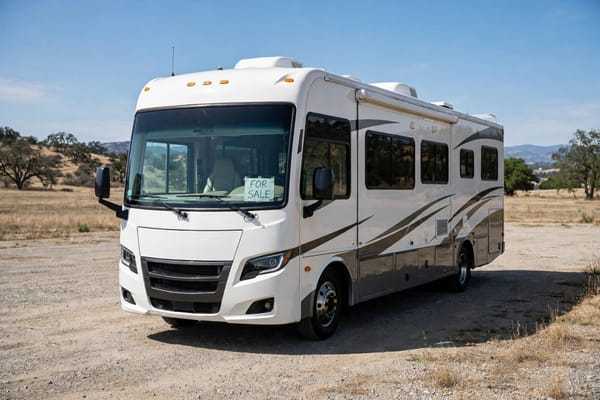
- Class A Motorhomes Face the Steepest Decline: High original purchase prices and complex chassis maintenance mean luxury diesel pushers and gas Class A units take the largest percentage hit during their first five years.
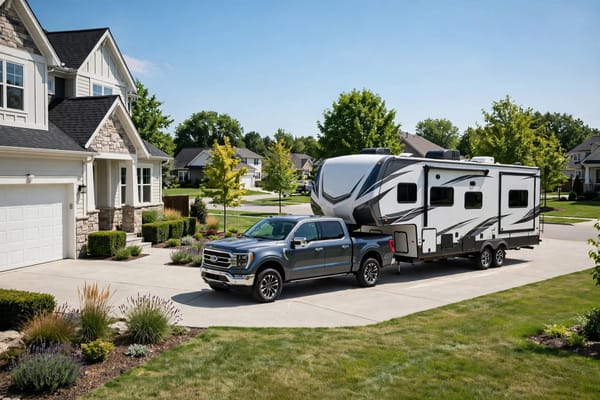
- Towable Value Depends on Upkeep: Because travel trailers and fifth wheels do not have engines or drivetrains, their residual value is driven almost entirely by structural care, winterization history, and water damage prevention.
Note: These depreciation benchmarks reflect typical North American market averages. Final valuations on RV Matcher will vary depending on brand pedigree, recorded mileage, solar upgrades, and verified maintenance logs.
Why Do Class B Camper Vans Hold Their Value So Well?
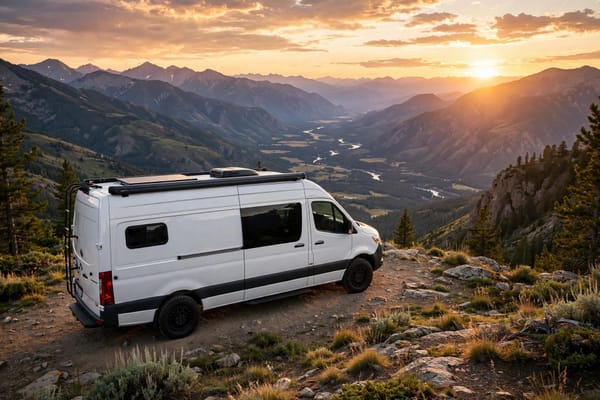
Class B camper vans consistently post the slowest depreciation rates in the entire recreational vehicle industry because buyer demand continues to outpace available market inventory. The persistent appeal of flexible road travel, remote work capabilities, and efficient living has turned clean, pre-owned camper vans into one of the highest-intent search categories online.
At RV Matcher, Class B listings generate some of our highest search traffic and fastest inquiry rates. Well-maintained builds built on durable platforms like the Mercedes-Benz Sprinter, Ford Transit, and Ram ProMaster routinely command 60% to 70% of their original purchase price even at the five-year mark.
Several unique factors keep Class B valuations remarkably resilient:
- Everyday Drivability: Their compact footprint fits into standard driveway spaces and national park parking spots, making them practical to drive without requiring specialized towing setups.
- High Market Liquidity: Because qualified buyers are actively hunting for compact rigs, clean camper vans spend significantly fewer days on the market compared to larger motorhomes.
- Accessible Commercial Servicing: Built on mainstream commercial cargo chassis, Class B vans can often be serviced by standard dealership mechanics rather than specialized, expensive heavy-coach facilities.
- Off-Grid Appeal: Modern factory and custom vans equipped with lithium batteries, solar arrays, and high-efficiency heating systems maintain premium value among adventure travelers.
If you currently own a Class B camper van, you are holding the single most liquid asset in the RV market. If you are shopping for one, targeting well-documented builds with solid electrical and thermal packages will ensure your investment retains maximum equity when it comes time to resell.
What Makes an Individual RV Depreciate Faster?
While model year establishes a pricing baseline, physical condition and maintenance habits can erode a rig's resale value far faster than chronological age. In the pre-owned market, knowledgeable buyers inspect structural integrity and mechanical upkeep long before looking at the odometer.
The top five factors that accelerate RV value loss include:
- Water Intrusion and Delamination: Water damage is the single biggest value killer in the RV world. Even after leaks are patched, soft floor spots, ceiling stains, and fiberglass sidewall delamination will immediately slash thousands of dollars off an offer.
- Missing Service Records: A lack of documented oil changes, generator tune-ups, brake servicing, and seasonal roof reseals signals deferred maintenance, prompting buyers to lower their bids to offset future repair risks.
- High Chassis and Generator Hours: For motorized Class A, B, and C coaches, excessive mileage and high generator run times accelerate mechanical wear and diminish buyer interest.
- Persistent Cabin Odors: Tobacco smoke, pet odors, and mildew trapped in upholstery, mattresses, and ceiling liners can instantly eliminate serious buyers.
- Cosmetic Wear and Dated Aesthetics: Peeling exterior decals, sun-faded paint, worn upholstery, and neglected finishes create poor first impressions that invite lowball offers.
The "Good" vs. "Excellent" Value Gap
The price difference between a rig listed in "good condition" versus "excellent condition" of the exact same year, make, and model frequently ranges between 10% and 15%. On an $80,000 motorhome or fifth wheel, that gap represents $8,000 to $12,000 in lost equity.
Closing that gap is almost entirely a matter of preparation rather than luck. Providing organized service logs, replacing aged tires with fresh DOT date codes, touching up seals, and executing a deep professional detail before listing on RV Matcher will directly protect your final sale price.
When Is the Best Time to Sell an RV to Maximize Resale Value?
Timing your RV sale strategically allows you to exit near the peak of your rig's residual value rather than waiting until maintenance expenses mount or buyer financing dries up. Maximizing your return requires evaluating both calendar seasonality and critical vehicle age thresholds.
Critical Resale Thresholds to Beat
Selling your rig before it crosses key statistical benchmarks preserves a much larger, more qualified pool of prospective buyers:
- The 10-Year Age Limit: Most major marine and RV lenders restrict loan durations, raise interest rates, or refuse financing entirely on units older than 10 to 12 years. Selling in year 8 or 9 keeps your listing accessible to buyers relying on conventional financing.
- The 100,000-Mile Motorhome Mark: For motorized Class A, B, and C coaches, six-figure odometer readings create psychological resistance for buyers and trigger steep reductions in book value.
- Major Component Expirations: Selling before high-ticket replacements come due (such as full roof membrane replacements, full sets of tires with aging DOT date codes, or slide-out motor overhauls) protects you from substantial out-of-pocket expenses right before a sale.
The Financing Factor: Why Year 8 Often Beats Year 11
Many private sellers overlook how lender policies directly control their price ceiling. Once an RV exceeds the age limit for standard loans, you are forced to sell exclusively to cash buyers. Because the cash-only buyer pool is significantly smaller, sellers face fewer offers and heavier price negotiations. Consequently, listing a camper at year 8 or 9 frequently yields a higher net payout than waiting until year 11, even after accounting for two additional years of ownership.
Optimal Seasonal Selling Windows
Recreational vehicle search activity peaks nationally from late winter through early summer (February through June). During this window, road-trippers and outdoor enthusiasts actively shop to lock in rigs ahead of spring breaks and summer holiday travels.
Listing your camper on RV Matcher during this high-demand window delivers maximum exposure to motivated shoppers, creates healthy buyer competition, and shortens your overall time on the market.
How to Determine What Your RV Is Really Worth in 2026
Traditional valuation tools like J.D. Power (formerly NADA Guides) offer a useful baseline, but static book values often lag months behind real-time market shifts. In a fast-moving market, relying solely on book estimates can lead to overpricing your rig or leaving thousands of dollars on the table.
To uncover the true, current market value of your camper or motorhome, evaluate live market comparables:
- Search Live Listings on RV Matcher: Track active and recently sold units that match your exact year, make, model, chassis type, and floor plan layout.
- Assess Your Real Condition Tier: Evaluate how your rig compares in tire age, roof maintenance, interior cleanliness, and upgrades such as off-grid solar or upgraded suspension packages.
- Target the Pricing Sweet Spot: Identify the core price cluster where most comparable units sit, then position your listing slightly beneath that cluster to drive immediate inquiry volume and create buyer competition.
Book guides provide a helpful starting estimate, but active buyer demand dictates the true selling price. Ultimately, your RV is worth what an informed, motivated buyer is prepared to offer you today.
Ready to Sell? Where Your RV Moves Fastest in 2026
If your depreciation calculations show that it is time to cash in your equity, the next critical step is choosing the right marketplace. Legacy listing sites and general classifieds often leave private sellers frustrated with expensive listing fees, buried ads, and endless waves of automated lowball bots.
RV Matcher was engineered from the ground up to eliminate these pain points and modernize the selling process:
- High-Intent Buyer Connections: We filter out the spam accounts, scraper bots, and tire-kickers that plague older directories, connecting you directly with genuine buyers who read your specs and respond to messages.
- Balanced Listing Prominence: Your camper or motorhome receives clean, prominent search visibility instead of getting pushed behind multi-million-dollar commercial dealership ad budgets.
- Rapid, Hassle-Free Listing Setup: Create a professional, mobile-ready listing in minutes complete with high-resolution photo galleries, detailed mechanical specs, and secure direct messaging.
- Nationwide Buyer Exposure: Tap into a fast-growing audience of motivated shoppers across the country who are ready to make competitive offers on travel trailers, fifth wheels, camper vans, and motorhomes.
Do not let your rig lose another year of equity sitting in storage. List your RV on RV Matcher today and place your vehicle directly in front of qualified buyers ready to make a deal.
Frequently Asked Questions About RV Depreciation
Do RVs ever appreciate in value? Rarely. Outside of rare vintage restorations or unique historical anomalies like the 2020 to 2022 market spike, recreational vehicles are depreciating consumer assets. Always build your ownership budget around steady value loss rather than expecting equity appreciation.
Is it better to sell an RV privately or trade it in at a dealership? Selling privately almost always nets 10% to 20% more money than a dealership trade-in offer. Dealerships offer convenience at the expense of your equity because they must leave room for their resale margin. Listing your rig directly on a high-visibility platform like RV Matcher lets you keep that financial difference.
Does RV depreciation matter if I plan to keep my rig forever? It matters less during daily use, but holding resale value provides critical financial protection if circumstances change. Changes in health, growing families, or shifting lifestyle priorities turn many "forever rigs" into listings. Maintaining a clean, mechanically sound vehicle ensures you can recover meaningful capital if you decide to sell.
What is the most cost-effective way to own an RV when factoring in depreciation? The most economical strategy is to buy a 3 to 5-year-old rig in excellent condition, maintain it meticulously with full service records, and sell it before it hits the 10-year age mark. This approach lets the original owner absorb the steepest initial drop while you exit before lender financing restrictions reduce the available buyer pool.
Curious what your rig is worth in today's market? List it on RV Matcher to find out. Motivated buyers are actively searching for your exact floor plan, towable specs, and model right now.