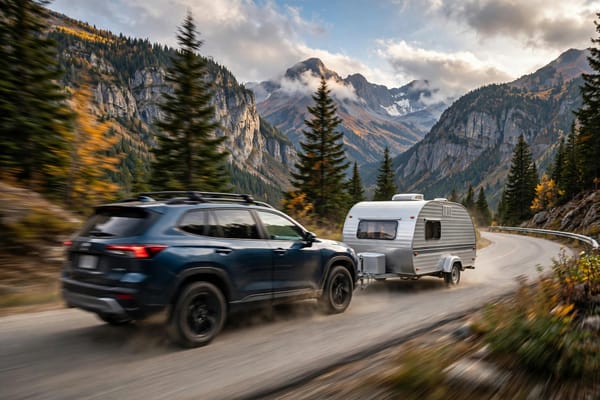
RV Extended Warranty: Is It Worth It? (Honest 2026 Guide)
RV extended warranty: is it worth it? Honest 2026 guide to coverage, exclusions, typical costs, deductible traps, and who should buy or skip. Read this first.

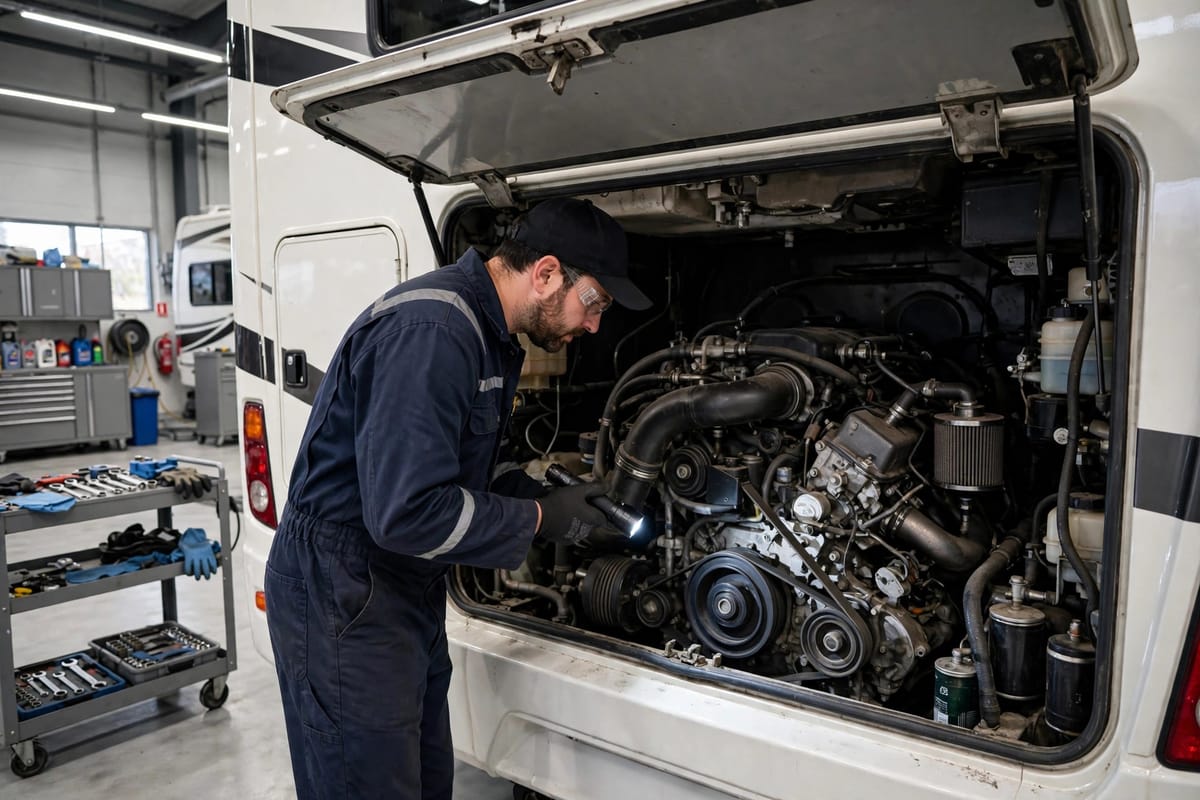
An RV extended warranty is one of the most debated purchases in RVing. Dealers push them hard at closing — sometimes as the difference between a good deal and a great one. Owners are split: some swear a warranty saved them thousands, others call it the most expensive paperwork they ever signed.
The truth is boring and useful: an RV extended warranty is worth it for some buyers and a waste of money for others. It depends on your RV's age, how you use it, your mechanical skills, and — critically — the actual contract terms. This guide gives you the honest breakdown: what these plans cover and exclude, what they typically cost, the deductible traps, why claims get denied, and seven questions to ask before you sign anything. Shopping for the RV itself first? Browse RVs for sale on RV Matcher.
What an RV Extended Warranty Actually Covers
Despite the name, an "extended warranty" is really a service contract — an insurance-like product that pays for certain repairs after the manufacturer's warranty expires. What's covered depends on the plan tier:
Exclusionary ("bumper-to-bumper style") plans list what ISN'T covered and cover everything else. These are the most comprehensive — and the most expensive. They typically cover major systems: engine and drivetrain (motorhomes), HVAC, plumbing, electrical, appliances, slide mechanisms, leveling systems, and generators.
Inclusionary (stated-component) plans list exactly what IS covered — and only those items. These cost less but leave gaps. A water heater might be covered while the plumbing lines feeding it aren't.
Powertrain-only plans cover the engine, transmission, and drivetrain on motorized RVs. They're the cheapest option and the narrowest — fine if your biggest fear is a blown engine, useless for the roof leak that's statistically more likely.
The pattern across all tiers: mechanical and system failures are the core of coverage. The refrigerator that dies, the slide motor that burns out, the air conditioner compressor that quits — these are the claims that get paid.
What It Excludes (Read the Fine Print)
Exclusions are where extended warranties earn their bad reputation. Nearly every plan excludes:
- Pre-existing conditions. Anything wrong before the contract starts isn't covered — and the burden of proving when a problem started often falls on you.
- Routine maintenance and wear items. Seals, gaskets, belts, filters, light bulbs, and maintenance you're supposed to do yourself.
- Water damage and seals. Roof resealing, window caulking, and the water damage that results from neglected seals are almost universally excluded — even though water intrusion is the #1 RV killer.
- Cosmetic issues. Paint, decals, upholstery, and anything that doesn't affect function.
- Tires, batteries, and wiper blades. Consumables, full stop.
- Damage from misuse, neglect, or modifications. Overloaded the trailer? Skipped winterization? Installed aftermarket parts wrong? Denied.
- Consequential damage. If a covered part fails and destroys a non-covered part (or vice versa), the resulting damage is often excluded.
The takeaway: an RV extended warranty covers sudden mechanical failures of listed components — not maintenance, not neglect, not the slow leaks that cause most RV damage.
How Much Does an RV Extended Warranty Cost?
Costs vary widely by RV type, age, mileage, coverage tier, term length, and deductible — so treat these as approximate ranges, not quotes:
- Travel trailers and fifth wheels: roughly $1,500–$4,000 for multi-year exclusionary coverage on a newer unit. Older units cost more; some providers won't cover rigs past a certain age.
- Class B and Class C motorhomes: roughly $3,000–$7,000, driven by drivetrain complexity.
- Class A motorhomes (especially diesel): roughly $5,000–$12,000+, reflecting the cost of diesel engine and Allison transmission repairs.
Used RVs cost more to cover than new ones, longer terms cost more than shorter ones, and lower deductibles raise the price. Dealer-sold plans typically carry significant markup over what you'd pay buying direct from a warranty administrator — which is why getting an independent quote before you sit in the finance office matters.
The real question isn't the price — it's the expected value. Add up the premium plus deductibles you'd pay over the term, and ask: is that less than the repairs you'd likely face? For a new trailer with few moving parts, often not. For an aging diesel pusher with complex systems, often yes.
The Deductible Trap: Per-Item vs Per-Visit
This single contract detail can double or triple your out-of-pocket costs, and it's buried in the fine print.
Per-visit deductible: You pay one deductible (say, $100) per repair visit, no matter how many items are fixed. Three broken things fixed in one appointment = $100.
Per-item (per-claim) deductible: You pay the deductible for EACH covered component repaired. Three broken things in one visit = $300.
RVs break in clusters — you bring it in for the A/C, and the tech finds the water pump and a slide issue too. Under a per-item deductible, one visit can cost you several hundred dollars in deductibles alone. Always ask which type the plan uses, and favor per-visit deductibles.
Also check: does the deductible apply at all if you use the warranty company's preferred repair network? Some plans waive or reduce it — which is only a benefit if that network has shops near where you travel.
Why Claims Get Denied
Understanding denial reasons before you buy is more valuable than any coverage list:
- Lack of maintenance records. Many contracts require documented maintenance — oil changes, roof inspections, winterization. No records, no claim. Keep every receipt.
- Pre-existing condition disputes. The administrator argues the problem started before coverage began. This is the most common fight on used RVs — get a thorough pre-purchase inspection and keep the report.
- Wear and tear vs. sudden failure. Contracts cover mechanical breakdown, not parts that wore out gradually. The line between the two is where claims die.
- Unauthorized repairs. Getting the work done before the claim is approved, or using a non-authorized shop, can void the claim. Always call the administrator first.
- Modifications. Aftermarket solar, suspension changes, or engine tunes can be cited as the cause of unrelated failures.
The pattern: claims get denied on process, not just substance. Follow the contract's procedures exactly — authorize first, document everything, keep maintenance records.
7 Questions to Ask Before You Sign
- Is this exclusionary or inclusionary coverage? Get the actual list — not the salesman's summary.
- Is the deductible per-visit or per-item? (See above — this matters enormously.)
- What's the claims process? Who authorizes repairs, how fast, and can I use my own shop?
- Are consequential damages covered? If a covered hose bursts and ruins the engine, is the engine covered?
- What maintenance must I document? Get the exact requirements in writing.
- Is it transferable? A transferable warranty adds resale value — a real selling point when you list your RV later.
- Can I buy it later, and can I cancel for a refund? Many plans can be purchased after the sale (often cheaper), and most allow pro-rated cancellation. Never let "this price is only good today" rush you.
RV Extended Warranty: Who Should Buy One — and Who Should Skip It
| Buyer Profile | Verdict | Why |
|---|---|---|
| New motorhome (Class A/C), not handy | Consider it | Complex, expensive systems; one drivetrain repair can exceed the premium |
| Used motorhome 5+ years old | Strong consider | Failure risk rises steeply with age; repair costs are highest here |
| Full-timers | Consider it | Your house can't be "down for a month"; breakdown coverage matters more |
| New travel trailer, handy owner | Probably skip | Fewer complex systems; most failures are DIY-fixable for less than the premium |
| Used trailer, budget buyer | Probably skip | Premium + deductibles can approach the trailer's value; self-insure instead |
| Anyone who won't keep maintenance records | Skip | Claims will be denied without documentation — you'd pay for nothing |
The honest rule: the more complex and expensive the RV, the older it is, and the less you can fix yourself, the more an extended warranty makes sense. For a simple trailer owned by someone comfortable with basic repairs, banking the premium in a repair fund usually wins.
If you're still deciding between new and used — which changes the warranty math completely — our new vs used RV guide walks through the trade-offs.
How much does an RV extended warranty cost?
Does an RV extended warranty cover water damage?
Can I buy an RV extended warranty after purchasing the RV?
Is the deductible per visit or per item?
Should I get an extended warranty on a used RV?
Shop Smart, Then Decide on the Warranty
The warranty decision comes after the RV decision — and the RV decision starts with real market data. Browse RVs for sale on RV Matcher, compare listings, check what similar rigs actually sold for, and run a free price check before you negotiate. Buy the right RV at the right price, and the warranty question gets a whole lot easier.