RV Inspection Checklist: 40+ Things to Check Before You Buy
Buying a used RV? Run through this 40-point RV inspection checklist — roof, tires, plumbing, electrical, red flags — before you hand over a dollar.

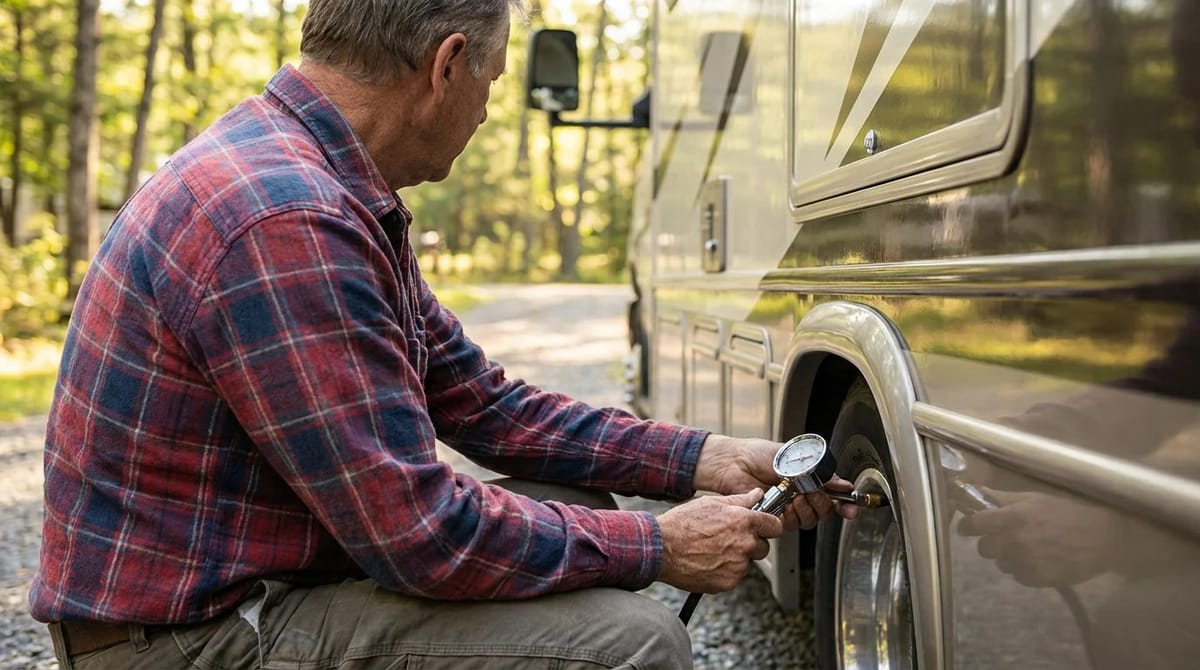
Buying a used RV is one of the smartest ways to join the RV lifestyle without the new-unit price tag — and one of the easiest ways to buy someone else's problems. Water damage hides behind walls. Tires can look fine and still be dangerously old. A "great deal" can turn into a repair bill that wipes out your savings in a single season.
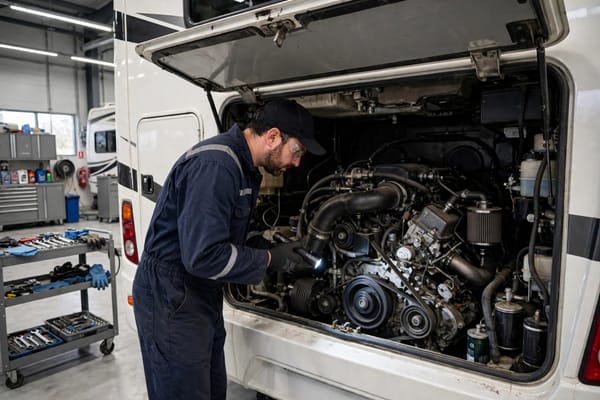
Most serious problems reveal themselves if you know where to look. This used RV inspection checklist covers 40+ specific things to check — roof, tires, plumbing, electrical, paperwork, and more — so you can buy with confidence or walk away in time. Pull it up on your phone, photograph anything suspicious, and never let a seller rush you. A seller who won't let you inspect is telling you everything you need to know.
Selling instead? This list is your pre-listing playbook: fix what you can, disclose the rest, and document your RV's condition. Sellers who do get more inquiries and sell faster — and it's free to list your RV on RV Matcher, so there's no reason to rush a half-ready ad.
Exterior and Roof
The roof is where the most expensive surprises live — water almost always gets in from above. Inspect on a dry day so stains and soft spots are visible.
- From a ladder (or on the roof if it's safe to walk), check for cracked, peeling, or missing sealant around every vent, skylight, antenna, and seam.
- Check the roof membrane for bubbles, tears, or punctures, and press gently — soft spots mean water has soaked the decking.
- Inspect exterior seams and corners for caulking gaps. Press sidewalls around windows and doors — sponginess or bubbling (delamination) means water damage.
- Open every exterior compartment door. Check hinges, latches, and seals, and sniff for musty odors.
- Extend and retract the awning fully. Check fabric for tears or mildew, and confirm the arms lock securely.
- Inspect windows and the entry door: seals should be intact, double-pane windows shouldn't be fogged between the panes, and all locks and handles should work.
- Check the undercarriage for heavy rust, bent frame members, or hanging wires (use your phone camera underneath).
- Run each slide-out in and out: seals should compress evenly with no daylight gaps, and movement should be smooth, not grinding.
Red flag: delamination or soft walls = structural water damage. Walk away unless you're shopping for a rebuild project.
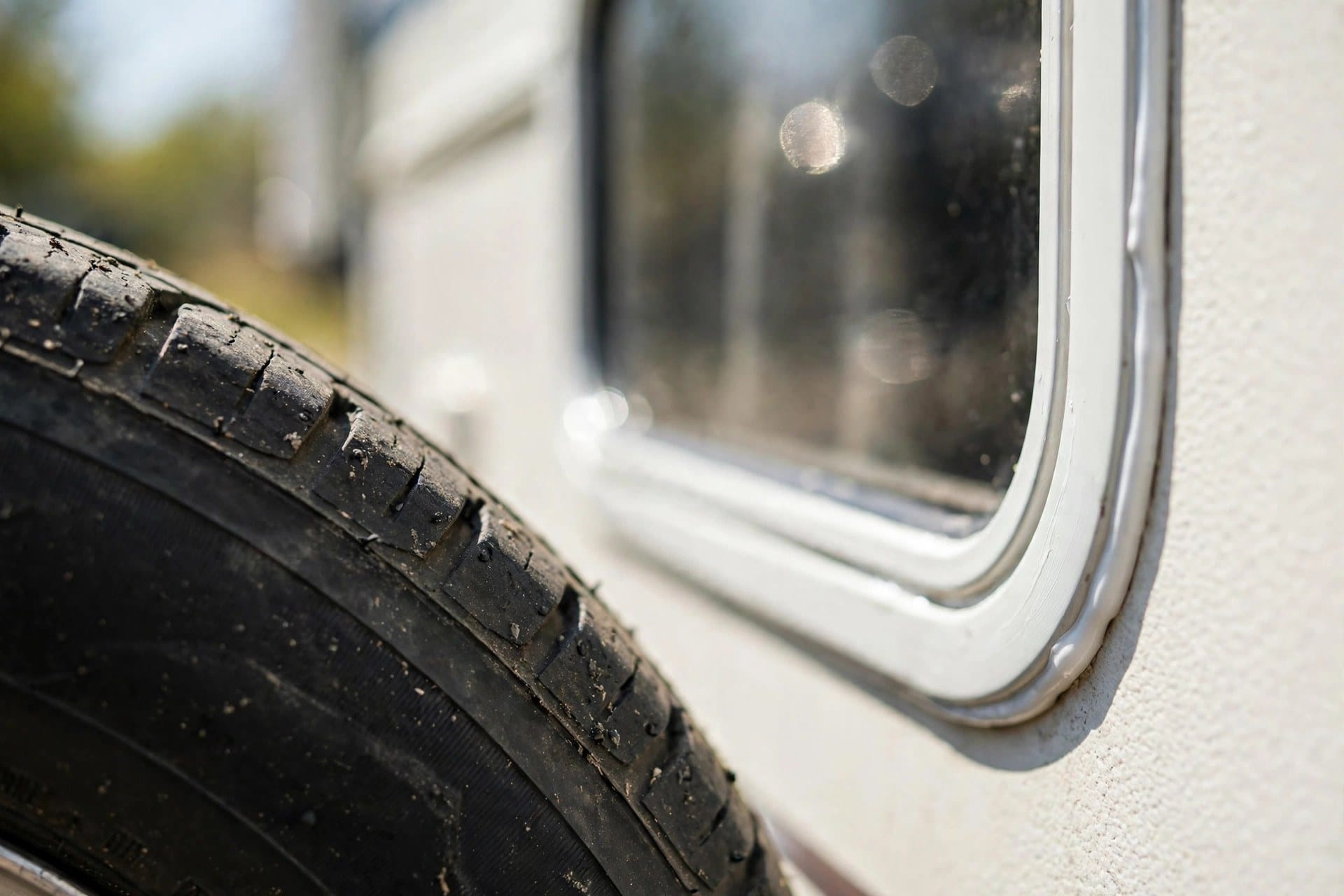
Tires, Wheels, and Suspension
How much does an RV inspection cost?
Should I get a professional RV inspection?
What is the most important thing to check when buying a used RV?
How old is too old for RV tires?
Can I inspect an RV myself?
Ready to Sell? List It Free on RV Matcher
You know what buyers check — now make your RV the one that passes. Prep it with the checklist above, take honest photos, and put it in front of motivated buyers.
Listing is free: no fees, no commissions, no reason to wait. Still shopping? Browse transparent listings on RV Matcher.