Sell My RV: 6 Ways Compared (Fastest vs Most Money)
Thinking "sell my RV"? Compare 6 ways to sell — private listing, trade-in, consignment, instant offers, auction — on speed, effort, and what you keep.

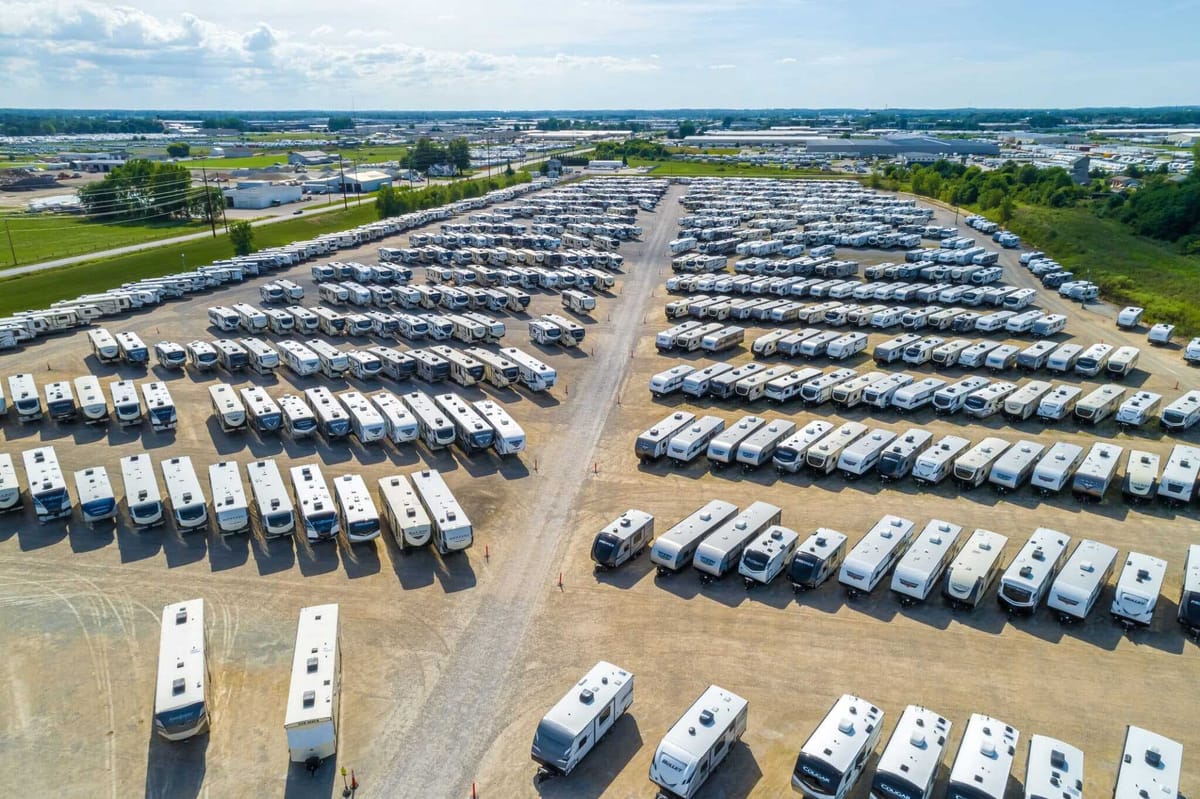
If you've typed "sell my RV" into a search box, you're probably balancing two things: how fast you need it gone, and how much of its value you want to keep. There is no single best answer — the right method depends on your timeline, your tolerance for hassle, and the kind of RV you're selling.
Below are the six main ways RV owners actually sell, compared honestly on how each one works, how fast it goes, what you typically net, and how much effort it takes from you.
The 6 ways to sell your RV, at a glance
| Method | Typical speed | Net proceeds | Your effort |
|---|---|---|---|
| Free private marketplace | A few weeks | Usually the highest | Medium |
| Paid marketplace listing | A few weeks | High, minus listing fees | Medium |
| Dealer trade-in | Same day | Usually the lowest | Low |
| Dealer consignment | Weeks to months | Medium | Low |
| Instant-offer buyer | Days | Low to medium | Low |
| Auction | Set by sale date | Unpredictable | Medium |
Now the detail.
1. Sell privately on a free marketplace
How it works: You create a listing with photos, specs, and a description. Buyers contact you directly through the platform, you answer questions, arrange showings, and negotiate the deal yourself.
Speed: A fairly priced, popular model often sells within a few weeks on a busy marketplace. Niche or high-priced units can take longer — that's true of every method.
Net proceeds: Usually the highest of any option. There's no dealer margin, no commission, and on a free platform, no listing cost eating into your profit.
Effort: Medium. You'll spend a few hours taking good photos, writing the listing, and responding to messages — plus meeting buyers for showings.
Best for: Sellers who want top dollar and can invest a little time to get it.
This is the route RV Matcher was built for: listing is completely free (unlike paid marketplaces), your RV goes in front of serious RV buyers actively shopping the marketplace, and the built-in price-check tool helps you set a price the market will actually pay. For most sellers, it's the best balance of speed and money kept.
2. List on a paid marketplace
How it works: Functionally the same as option 1 — you create the listing and handle the sale — except you pay for a listing package upfront.
Speed: Similar to free marketplaces. What matters most is audience size and how well your listing is presented, not whether you paid to post it.
Net proceeds: High, minus whatever you paid for the listing — and you pay whether your RV sells or not.
Effort: Medium, same as any private listing.
Best for: Sellers who want the largest possible audience and don't mind paying upfront for it.
The biggest name here is RV Trader, which has the largest RV-listing audience in the business. That's a genuine advantage. The tradeoff is straightforward: listing packages cost money out of pocket, and if your RV doesn't sell or you change your mind, that money is gone. Run the math on the fee versus your expected sale price before you commit.
3. Trade it in at a dealer
How it works: You're buying another RV (or sometimes just selling outright), and the dealer appraises yours and applies the value to the deal.
Speed: Same day — it's wrapped into your purchase.
Net proceeds: Usually the lowest. Dealers buy at wholesale-oriented values so they can recondition and resell at a profit, which typically lands roughly 10–20% below what a private buyer would pay for the same unit. In some states you also get a sales-tax credit on the trade difference, which softens the gap a bit if you're buying.
Effort: Low. Drive in, sign papers, drive out.
Best for: Buyers purchasing another RV who value convenience over maximizing dollars — or anyone who needs the old RV gone today.
4. Sell through dealer consignment
How it works: A dealer lists, markets, and shows your RV for you. When it sells, the dealer takes an agreed commission and you get the rest.
Speed: Weeks to months. Your RV is one of many on the lot, and you're waiting on the dealer's sales process.
Net proceeds: Medium — typically better than a trade-in, but the commission takes a meaningful bite out of what a private sale would have brought.
Effort: Low. The dealer does the work; you wait.
Best for: Hands-off sellers who aren't in a hurry and would rather pay someone else to deal with buyers.
Watch the contract terms: consignment agreements vary on commission rates, contract length, and what happens if you want your RV back. Read before you sign.
5. Sell to an instant-offer buyer
How it works: National buyers — Camping World, for example, advertises a guaranteed-offer program — appraise your RV (often after an inspection) and make you a firm offer. Accept, and the deal closes in days.
Speed: Days. This is the fastest way to convert an RV to cash short of a trade-in.
Net proceeds: Low to medium. Convenience has a price: instant offers typically come in below private-party value, because the buyer is taking on the resale work and risk.
Effort: Low. One appraisal, one decision.
Best for: Sellers who need the RV gone this week — a move, a financial pinch, or just zero patience for the selling process.
6. Sell at auction
How it works: You consign your RV to a live or online auction house. It's marketed to bidders and sells on a set date to the highest bid.
Speed: Set by the auction calendar — quick once your unit is in the lineup.
Net proceeds: Unpredictable. A desirable unit with two motivated bidders can surprise you; a thin crowd on the wrong day can disappoint. Seller fees and buyer premiums also cut into the result, so read the fee schedule carefully.
Effort: Medium. You'll prep the RV, get it to the auction (or photographed for online), and live with the terms.
Best for: Unusual units, estate sales, or situations where a fast, certain sale date matters more than squeezing out every dollar.
What actually determines how fast your RV sells
Whichever method you choose, four factors do most of the work:
- Price. The number one reason RVs sit unsold is optimistic pricing. Check real comparable listings — not just asking prices, but what similar units actually sold for — and price to the market on day one. A price reduction after a month of silence almost always nets less than pricing correctly from the start.
- Photos. Listings with 20 or more clear, well-lit photos get dramatically more inquiries than ones with five dark phone snapshots. Shoot in daylight, open the slides, make the beds, and include the boring stuff buyers worry about: tires, roof, storage bays.
- Season. Spring is prime selling season in most of the country; late fall and winter are slower everywhere except warm-weather states. If you can choose your timing, list in March through June.
- Responsiveness. Buyers message several sellers at once and buy from whoever replies first. Answering inquiries within a few hours can be the difference between a sale and a ghost.
The verdict: which method wins for most sellers?
For the typical private seller — someone with a clean, fairly priced RV and a few weeks of patience — selling privately on a free marketplace wins. You get essentially the same speed as a paid marketplace listing, the highest net proceeds of any method, and you don't pay a cent to list.
That's exactly why RV Matcher exists: free listings and an audience of active RV buyers, and a price-check tool so you can price with confidence instead of guessing. The sellers who do best are the ones who price from real market data on day one, post 20+ good photos, and respond to inquiries quickly.
Ready to sell? Here's the 3-step start
- Price it right. Run your RV through the free price-check tool and compare against similar active listings.
- List it free. Create your listing at rvmatcher.com/sell — photos, specs, and an honest description take under 30 minutes.
- Respond fast. Buyers message the sellers who reply first. Quick responses turn inquiries into showings, and showings into sales.
Your RV is worth what a real buyer will pay for it this month — not what you paid, and not what a pricing guide guessed last year. List it where the buyers already are, and keep every dollar.
List your RV for free on RV Matcher →