When Is the Best Time to Sell an RV? (How Buyer Psychology Drives Top Dollar)


Why the Standard "Sell in Spring" Advice Is Incomplete
Most conventional advice suggests listing a recreational vehicle in the spring. While buyer traffic certainly spikes as the weather warms, seller competition peaks at the exact same time. When thousands of similar travel trailers and motorhomes flood the market simultaneously, standing out becomes significantly harder.
Maximizing your return requires asking a more strategic question: When does your specific buyer begin shopping?
Different RV styles appeal to distinct buyer demographics, and each group operates on its own financial and travel timeline.
1. Family Campers and Bunkhouses: List in Late Winter, Close by May
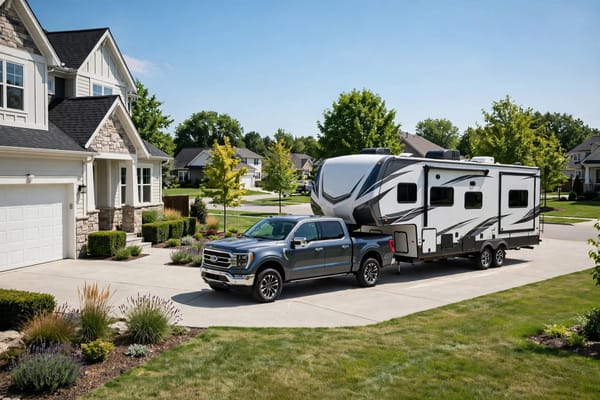
If you are selling a bunkhouse travel trailer, mid-size fifth wheel, or family-oriented crossover rig from brands like Keystone, Jayco, Grand Design, or Forest River, your buyer is planning around an immovable deadline: the school summer break.
- The Buyer Timeline: Parents begin researching floor plans in February, browse active listings in March and April, and aim to have the rig parked in their driveway before Memorial Day weekend. This gives them time to test systems, load gear, and practice towing before their first major vacation.
- Your Listing Window: Late February through April is the prime window. Listing during this timeframe positions your rig in front of motivated families ready to close quickly. If you wait until July, the bulk of your target audience is already camping in someone else's trailer.
2. Adventure Rigs, Teardrops, and Camper Vans: Spring Through Early Summer
Compact travel trailers, single-axle overland units, and Class B camper vans cater to a more flexible, spontaneous buyer demographic.
- The Buyer Timeline: These shoppers are rarely tied to strict school calendars. They tend to make purchasing decisions closer to their actual departure dates.
- Your Listing Window: Demand for lightweight campers and adventure vans remains strong from March through early summer (June and July). While you have a longer selling runway with agile rigs, aim to close deals before late summer when outdoor recreation travel begins to taper off.
3. Luxury Motorhomes and High-End Fifth Wheels: Year-Round Opportunity
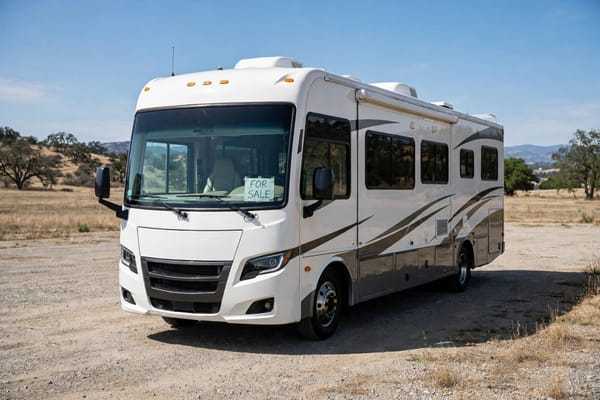
Class A diesel pushers, premium motor coaches, and luxury residential fifth wheels follow a completely different transaction path.
- The Buyer Timeline: Buyers shopping in the six-figure bracket are often transitioning into retirement, seasonal travel, or full-time RV living. Because these are major lifestyle investments, shoppers spend months researching chassis specs, engine history, and interior floor plans before initiating contact.
- Your Listing Window: High-end units sell consistently across all four seasons. For premium rigs, mechanical condition and transparency outweigh calendar timing. Comprehensive maintenance records, verified service history, and clean market pricing attract serious buyers in November just as effectively as in May.
4. Four-Season and Cold-Weather Rigs: Catch the Snowbirds in Late Summer
If your camper features winterized upgrades like heated underbellies, dual-pane insulated windows, robust tank heaters, and four-season certification, you have an exceptionally predictable target audience: seasonal travelers heading south for the winter.
- The Buyer Timeline: Snowbirds begin securing their winter living quarters well before freezing temperatures arrive in northern states.
- Your Listing Window: August through October is the peak selling window. Listing in late summer puts your four-season camper directly in front of traveling retirees who need a reliable rig lined up for their southern migration.
The Golden Rule: List 6 to 10 Weeks Before the Travel Deadline
Purchasing a recreational vehicle is rarely an impulse buy. Serious buyers require several weeks to compare listings, secure loan financing, schedule independent pre-purchase inspections, and arrange transport.
Listing your rig 6 to 10 weeks before your target buyer's seasonal departure captures early search traffic and gets your camper sold while other sellers are still waiting for peak season to arrive.
Two Factors That Beat Calendar Timing in Any Month
- High-Quality Presentation and Accurate Pricing: A clean listing featuring 20+ crisp, well-lit photos, transparent disclosure of wear, and competitive market pricing will consistently outsell a poorly presented rig listed during peak spring.
- Platform Visibility: Where you list dictates the quality of your inquiries. Placing your vehicle on a clutter-free, dedicated marketplace ensures your listing connects with real buyers rather than automated spam bots.
List Your RV on RV Matcher
Ready to reach motivated buyers nationwide? RV Matcher connects your travel trailer, camper van, or motorhome directly with shoppers searching for your exact specifications, floor plan, and price point.
List your RV on RV Matcher today to maximize your listing visibility and attract verified buyers ready to make an offer.
Frequently Asked Questions
What month do RVs sell the fastest overall? Nationally, March through May records the highest total transaction volume. This surge is driven primarily by first-time buyers and families preparing for summer vacations. However, luxury coaches and four-season trailers follow their own distinct seasonal demand cycles.
Is winter a bad time to sell an RV? Winter experiences lower total search volume, but the buyers browsing during colder months are typically serious and motivated. Additionally, listing in winter means facing significantly less seller competition, while late fall remains an active window for four-season snowbird buyers.
Should I wait until spring to list my camper? If you own a family bunkhouse trailer and it is currently late autumn, waiting until late February can be advantageous. However, remember that every month of delay incurs ongoing costs for storage, insurance, and asset depreciation. If your rig is clean, well-maintained, and priced accurately, listing immediately on a national marketplace often nets a better return than waiting months in paid storage.