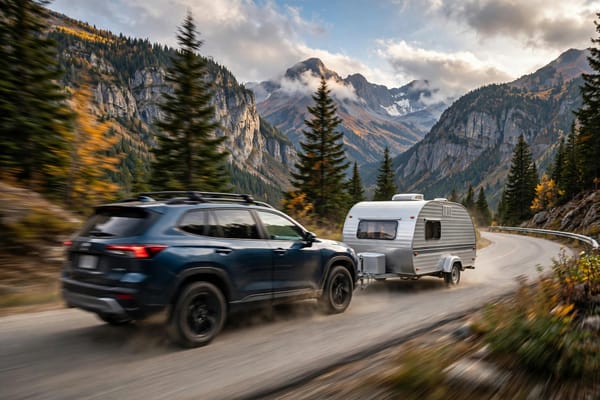
Why Isn't My RV Selling? 10 Reasons and How to Fix Each
Why isn't my RV selling? Diagnose the real cause — price, photos, platform, or timing — with this 10-point checklist and a stale-listing reset protocol.

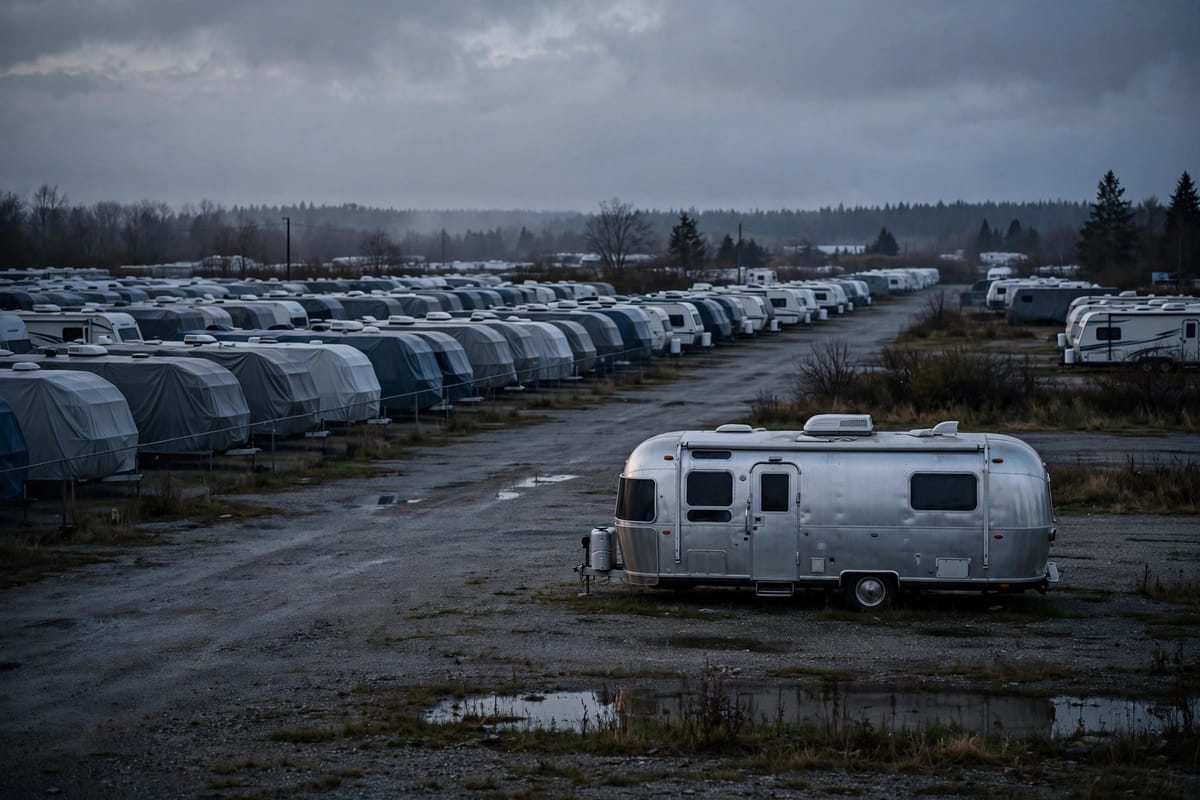
Your RV has been listed for weeks, maybe months. Inquiries trickle in — or don't — and every price cut feels like money evaporating. You're wondering if the market is dead or if you should just take the dealer's lowball offer and move on.
Stop. Your RV isn't selling for a reason, and that reason is almost always fixable. The mistake most sellers make is cutting the price before diagnosing the actual problem. A rig that's priced right but photographed badly doesn't need a discount; it needs daylight and a new lead photo. A listing nobody sees doesn't need new photos; it needs a platform where buyers actually shop. Diagnose first, then fix.
Why Isn't My RV Selling? Start With the 3-Bucket Diagnosis
Before touching your price, sort your problem into three buckets — price, presentation, or platform:
| What you're seeing | Likely bucket | Your first fix |
|---|---|---|
| Almost no views at all | Platform | Relist where RV buyers shop |
| Lots of views but no inquiries | Presentation | Reshoot photos and rewrite the description |
| Inquiries but no showings | Presentation or responsiveness | Answer fast, give real details, ease up on terms |
| Showings but no offers | Price or condition | Re-run comps; inspect with a buyer's eyes |
| Offers, but all embarrassingly low | Price perception | Your ask is anchored too high for what buyers see |
If your listing gets no views at all, the price is irrelevant — nobody has seen it yet. Watch your symptoms, not your anxiety.
The 10 Reasons Your RV Isn't Selling — and How to Fix Each One
1. You're priced above the market
The most common reason, and the hardest to admit. You know what you paid and what you owe; buyers only care what comparable units sold for last month.
The fix: Re-run your comps from scratch, based on sold units — not other sellers' asking prices. Be honest about your condition, then make one meaningful cut instead of tiny $200 trims. Small trims signal desperation without creating urgency; a single decisive drop of roughly 5–10% moves you into a new search-price band and alerts buyers who skipped you the first time.
2. Your photos are killing the listing
Buyers decide in seconds whether to click, based on the lead photo. Dark interiors and cluttered counters tell them the RV wasn't cared for, even when it was. Fewer than a dozen photos gets you skipped — buyers assume you're hiding something.
The fix: Reshoot everything in daylight with the RV cleaned out: blinds open, lights on, surfaces decluttered. Shoot 25 or more photos — all four exterior corners, every room, storage bays open, plus tires, roof, and appliances. Lead with your best exterior three-quarter shot, never a gloomy interior. Your lead image is the headline; everything else is the article.
3. Your description is vague or raises red flags
"Great camper, everything works, must see!" tells a buyer nothing, and buyers with nothing to go on assume the worst. Missing basics read as evasive; "needs nothing" on a 15-year-old rig reads as dishonest.
The fix: Rewrite using a formula: year, make, model, floorplan, mileage, and location in the first two sentences. Then maintenance history — what's been serviced or replaced, and when. Then honest condition notes: every scratch and quirk, disclosed up front. Disclosed problems build trust; discovered ones kill deals. Close with your reason for selling, title status, and contact info.
4. You're listed where buyers aren't looking
A local classifieds post reaches a fraction of your potential buyers. Someone three states away would happily pay your asking price — but they'll never know it exists. Serious RV buyers travel far for the right unit.
The fix: List where RV buyers actually shop:
| Platform type | Who shops there | Best for |
|---|---|---|
| National RV marketplaces | Buyers searching by class, length, floorplan | Most private sellers |
| General classifieds | Local bargain hunters | Lower-priced units, quick local sales |
| Dealer trade-in | Nobody — the dealer buys it | Speed, at a wholesale price |
If you're only on one local platform, that's likely your answer.
5. Title or lien issues are scaring buyers off
Nothing ends buyer interest faster than discovering mid-conversation that you don't have the title in hand or there's still a lien on it. Buyers won't wire five figures to a stranger and sort out paperwork later.
The fix: Resolve title and lien issues before you list, and state the title status in your ad. If there's a loan, get the exact payoff and release process from your lender now. Get title wrinkles corrected at the DMV first — never let a buyer discover a problem before you disclose it.
6. You listed in the wrong season
RVs are seasonal in most of the country. List a travel trailer in the Midwest in November and you're competing against snow and buyers who checked out until April — through no fault of the RV, the price, or the photos.
The fix: If you must sell off-season, price more aggressively — winter buyers are few but often the most motivated. Otherwise, pull the listing and relist in early spring. The exception: the Sun Belt, where winter is peak season — a slow winter listing in Florida or Arizona points to price or presentation, not timing.
7. You're slow to respond or hard to reach
A buyer sends five inquiries on a Saturday morning and buys from whoever answers first. Take two days to reply or offer only weekday-morning showings, and you've filtered yourself out of your own sale.
The fix: Treat inquiries like hot leads: respond within hours with real answers, offer evening and weekend showings, and keep the RV show-ready. Put a phone number in the listing — many buyers for higher-priced motorhomes won't inquire through a contact form.
8. Your listing has gone stale
Algorithms and buyers both favor fresh listings. After several weeks, your ad sinks in search results, regular browsers have scrolled past it, and it picks up a quiet stigma: it's been sitting — what's wrong with it?
The fix: Run the stale-listing reset protocol below: take it down, reshoot, rewrite, reprice, and relist so it appears brand new — earning the new-listing boost in search placement and saved-search alerts.
9. Your terms are rigid or your buyer handling is poor
Some sellers lose deals at the finish line: refusing pre-purchase inspections, demanding cash-only on a $60,000 motorhome, or interrogating buyers until the experience feels hostile.
The fix: Make it easy to buy from you. Welcome third-party inspections — they close deals far more often than they kill them. Accept secure payment beyond cash, stay flexible on closing logistics, and ask about timeline and financing early to focus on real buyers.
10. You've gone nose-blind to condition issues
You stopped noticing the musty smell and the aging tires — but a buyer notices in the first ninety seconds. Every undisclosed flaw found at the showing poisons trust in everything else you said.
The fix: Walk your RV with a buyer's eyes — or a brutally honest friend's. Fix the cheap cosmetic stuff now: deep-clean everything, replace stained soft goods, touch up caulk, air it out until it smells like nothing. Disclose bigger issues in the listing with photos: an honest flaw with a matching price sells; a hidden flaw discovered in person ends the conversation.
How Long Does It Take to Sell an RV?
The Stale-Listing Reset Protocol
If your listing is more than a month old with little to show for it, reset it — don't tweak it:
- Take the listing down completely. Remove it so the original post date disappears, and wait a few days before relisting.
- Reshoot with a new lead image. Daylight, decluttered, 25+ photos — and a lead shot different enough that returning browsers don't recognize the listing.
- Rewrite the description from scratch. Use the reason #3 formula: facts up front, maintenance history, honest condition notes, reason for selling.
- Reprice against fresh comps. The market moved while your listing sat — if your old price didn't sell it, the market has spoken.
- Relist so it appears new. The placement boost, saved-search alerts, and fresh-eyes effect together beat any tweak to the old ad.
When to Drop the Price vs. Fix the Listing
Cut the price only when the evidence points at price. Work top-of-funnel down: visibility first, then presentation, then price.
| What the data shows | What it means | Do this first |
|---|---|---|
| Views are low | Nobody's seeing it | Fix platform and presentation |
| Views high, inquiries low | People look, then leave | Fix photos and lead image; then reassess price |
| Inquiries but no showings | Interest dies on details | Improve responsiveness and description |
| Showings but no offers | The RV doesn't match the ask | Re-run comps; fix visible condition issues |
| Offers keep coming in low | The market has spoken | Drop to a realistic number |
Discounting a listing nobody sees is just a quieter way of not selling.
How long should I wait before I start worrying?
Should I take my listing down and relist it?
How much should I drop the price?
Is it the season, or is it my price?
Should I accept a lowball offer?
The Bottom Line: Fix What's Actually Wrong and Your RV Will Sell
Almost every unsold RV sits for one of the ten reasons above, and nearly all are fixable without giving your RV away. The sellers who struggle longest keep discounting a listing with bad photos or refreshing an ad nobody sees. Diagnose first, fix the real problem, and reset the listing if it's stale.
Your RV found a buyer once: you. There's another buyer out there now — give them a listing worth clicking, a price grounded in real comps, and a seller who's easy to reach.