How to Sell a Travel Trailer Fast
Want to sell a travel trailer fast? Pricing strategy, photos that convert, where trailer buyers shop, and how to list free on RV Matcher today.

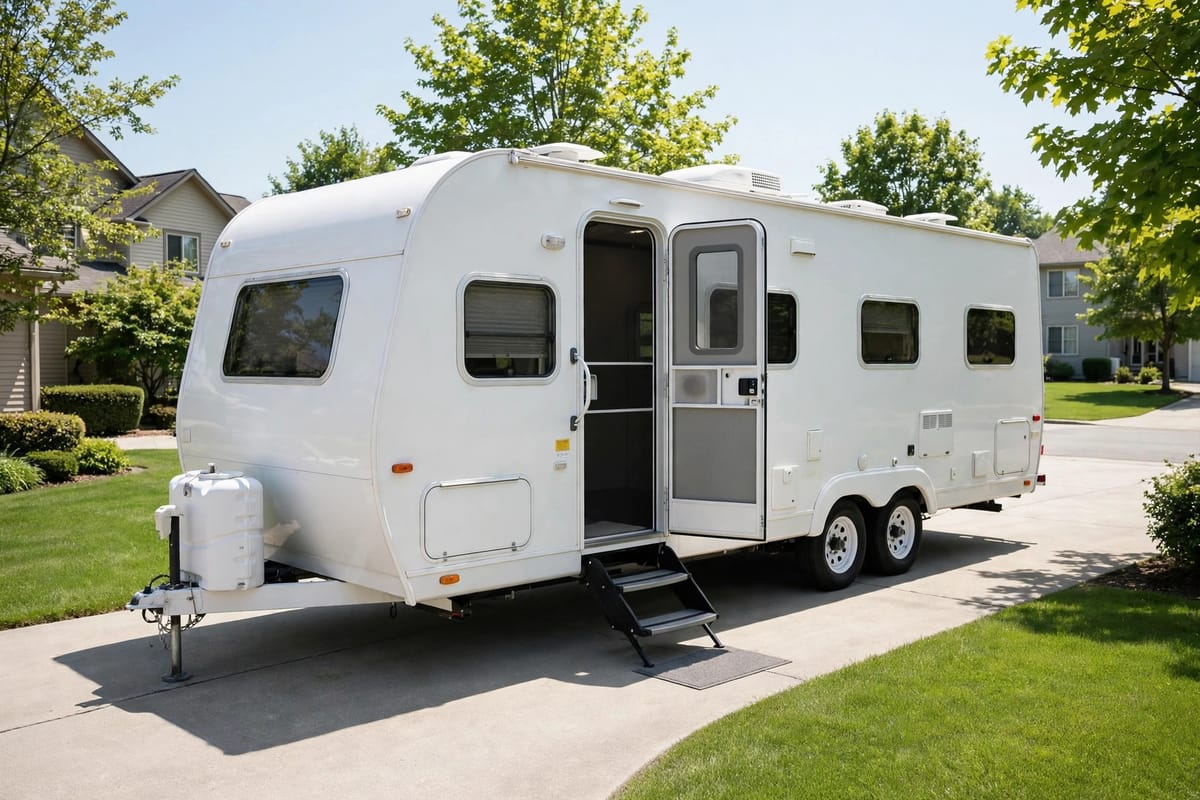
Learning how to sell a travel trailer fast comes down to three things: pricing it against real market data, photographing it like it matters, and listing it where trailer buyers actually shop.
The sellers who move their trailers in weeks price from sold comparables, post dozens of bright photos, spell out the weights tow-conscious buyers need, and list where RV shoppers already browse.
This guide walks through exactly how to sell a travel trailer quickly: pricing, photos, listing copy, where to list, timing, showings, and the mistakes that keep trailers sitting. List your travel trailer for free on RV Matcher and put it in front of buyers today.
How to Sell a Travel Trailer: Start With the Right Price
Price is the throttle on your sale speed. A travel trailer priced at market with strong photos can draw serious inquiries in the first week. The same trailer priced 10% too high can sit for months while buyers assume something is wrong with it — then sell for less than it would have at a fair price on day one.
Price from sold data, not asking prices. Asking prices are hopes; sold prices are facts. Search active travel trailer listings for your exact year, make, model, and floor plan to see the competition, then look at what comparable trailers actually sold for. RV Matcher's Recently Sold listings show real transaction prices, which is the only number that tells you what buyers will pay.
Run a price check before you publish. Guessing is how listings stall. RV Matcher's free price-check tool benchmarks your trailer against the current market so you list with confidence instead of crossing your fingers.
Understand what moves trailer values. Buyers weigh age, condition, floor plan, and length heavily — and they screen hard for water damage history, soft floors, and delamination. If your trailer is clean and dry, say so loudly.
The first two weeks are your window. New listings get the most views, saves, and inquiries. Launching high "to test the market" burns that window, and every price drop after that signals desperation. Price a touch above your walk-away number so buyers can negotiate a small win — but stay anchored to the sold data.
How to Sell a Travel Trailer Faster With Better Photos
Trailer shoppers decide in seconds whether your listing deserves a message — and they decide from photos. Most private-party listings fail right here.
- Shoot on a bright day, mid-morning or late afternoon. Open every blind, turn on all interior lights, and shoot in landscape orientation. Steady the camera — blurry photos read as hidden problems.
- Cover the full exterior: front cap, both full sides, rear, and the roof if you can access it safely. Roof condition is a top buyer concern on used trailers, so a clean roof photo is worth real money.
- Photograph the hitch and running gear. Close-ups of the coupler, safety chains, breakaway cable, stabilizer jacks, and tires (including the date codes on the sidewalls) answer questions buyers would otherwise have to ask.
- Show every living space. Every bed, the dinette, kitchen, bathroom, and any bunk areas — made up and decluttered. Open the storage bays and the pass-through so buyers can see the capacity.
- Capture the weight stickers. A photo of the federal certification label showing UVW and GVWR saves back-and-forth with tow-capacity shoppers and signals you know your trailer.
- Show flaws honestly. A scuffed compartment door photographed upfront builds trust. The same scuff discovered at a showing kills momentum.
- Post 25 to 40 photos. More photos mean longer time on your listing, more saves, and more inquiries. It's the cheapest marketing you'll ever do.
Skip the filters and the fisheye lens tricks. Accurate photos attract serious buyers; misleading ones attract wasted weekends.
Write a Listing That Answers a Tower's Questions
Travel trailer buyers shop with a calculator open. Your description should hand them every number they need before they ever message you.
Lead with the specs buyers filter on: year, make, model, floor plan, overall length, dry weight (UVW), GVWR, hitch weight, and sleeping capacity. Put these in the first few lines — shoppers comparing five trailers won't dig for basics.
Address the tow question head-on. State what you've towed it with and how it handled, and note the trailer's weights clearly so buyers can check their own tow ratings. Nothing accelerates a trailer sale like removing the buyer's biggest uncertainty: "Can I actually tow this?"
Then answer the standard questions: why you're selling, how it was stored (covered or indoor storage is a major selling point), the maintenance story (roof reseals, bearing repacks, tire dates — records beat claims), the honest condition, and what's included (weight-distribution hitch, sway control, surge protector, hoses — bundled gear saves the buyer a shopping trip).
End with a clear next step. "Message me to schedule a showing this weekend — I can demo the full hookup" converts far better than no call to action. Keep your exact address and phone number for qualified inquiries, but do share your general area.
How to Sell a Travel Trailer: Go Where the Buyers Are
Knowing how to sell a travel trailer includes knowing where the buyers are. Listing in the wrong place is like opening a store on an empty street.
Dedicated RV marketplaces. This is where motivated buyers browse with intent — they can filter by type, length, weight, and price, and they arrive ready to talk numbers. Listing on RV Matcher is free: no listing fees, no commission on your sale, and your trailer sits alongside thousands of active shoppers browsing the marketplace every day. For a fast sale, this is your highest-leverage move.
General classifieds and social media. The audience is huge but unfocused, and you'll wade through lowballers, no-shows, and "is this available" messages from people who never read the ad. Useful as a secondary channel, but a frustrating primary one. If you post in RV buy/sell groups, link serious buyers back to your full marketplace listing with all the photos and specs.
Paid listing sites. The big classified platforms charge for listings, with fees climbing for photo counts, featured placement, and renewals. Test the free options first — you can always pay for extra exposure later.
Dealer trade-in. Fast and effortless, but expect wholesale pricing. If speed matters more than dollars, it's an option; if dollars matter, list it yourself first.
For most trailer sellers, the winning sequence is simple: list free on RV Matcher first, share that listing to social channels second, and only consider paid options if you need an extra push.
Time Your Travel Trailer Sale
Trailer demand is seasonal, and timing your list date is free leverage.
Spring is prime time. Shoppers start hunting in late winter and buy through spring to be ready for camping season. List in late winter or early spring and your trailer meets the year's deepest buyer pool.
Summer stays strong for family bunkhouse models as vacation plans turn into purchase decisions. Fall and winter soften in most regions — but warm-weather states stay active nearly year-round, and that's when motivated buyers hunt for deals.
Don't wait for perfect timing if you need to sell now. A sharp price and great photos beat calendar luck every time. Selling in the off-season? Lean into it: "winterized and stored indoors, ready for spring" is a selling point, not an apology.
Run Showings That Close the Deal
Inquiries are only half the battle. Here's how to turn lookers into buyers.
Qualify quickly. A short phone call beats twenty messages: ask what they tow with, their timeline, and whether they've owned a trailer before. Serious buyers answer directly; tire-kickers dodge specifics.
Walk them through the setup. Show the trailer hitched and level, then demo the awning, water heater, and slide (if equipped). A confident walkthrough answers the unspoken question: "Does everything actually work?"
Verify their tow vehicle before any test tow. Confirm their truck or SUV is rated for your trailer's loaded weight before anyone hooks up. This protects both of you — and it's a question serious buyers expect a responsible seller to ask.
Let them inspect thoroughly. Encourage buyers to crawl the roof, open every compartment, and even bring an independent inspector — buyers who inspect carefully buy confidently. Have your maintenance records, title, and ID ready: paperwork readiness is what lets a motivated buyer say yes on the spot.
Meet smart. Daylight showings, ideally with someone else around. Your driveway or a public lot works for first meetings; save the remote storage unit for buyers who've already shown they're serious.
Mistakes That Keep Travel Trailers Sitting Unsold
- Pricing from asking prices instead of sold comparables — then chasing the market down.
- Hiding the weights. Trailer buyers need UVW, GVWR, and hitch weight. Missing numbers mean skipped listings.
- Six dark photos and no shots of the roof, hitch, or tires.
- "Great condition, must see!" as the entire description. It tells the buyer nothing.
- Listing only on social media and wondering why only lowballers show up.
- Ignoring inquiries for days. Buyers message five sellers at once; the responsive one wins.
- Paying for listings before trying free ones. Start where it costs nothing.
- Refusing evening or weekend showings. That's when buyers are free — meet them halfway.
Avoid these and you're already ahead of most private trailer sellers.
How fast can you sell a travel trailer?
What's the best place to sell a travel trailer?
Should I sell my travel trailer to a dealer or privately?
What paperwork do I need to sell a travel trailer?
Do I need to fix everything before selling my travel trailer?
Sell Your Travel Trailer Free on RV Matcher
You know how to sell a travel trailer fast now: price from sold data, photograph the weights and running gear, answer a tower's questions in your listing, and list where RV buyers already shop.
The fastest move you can make today costs nothing. List your travel trailer for free on RV Matcher — no listing fees, no commission, live in front of motivated buyers today.